The Ultimate Guide to Perfect Pesto Pasta: A Fresh, Flavorful Weeknight Winner
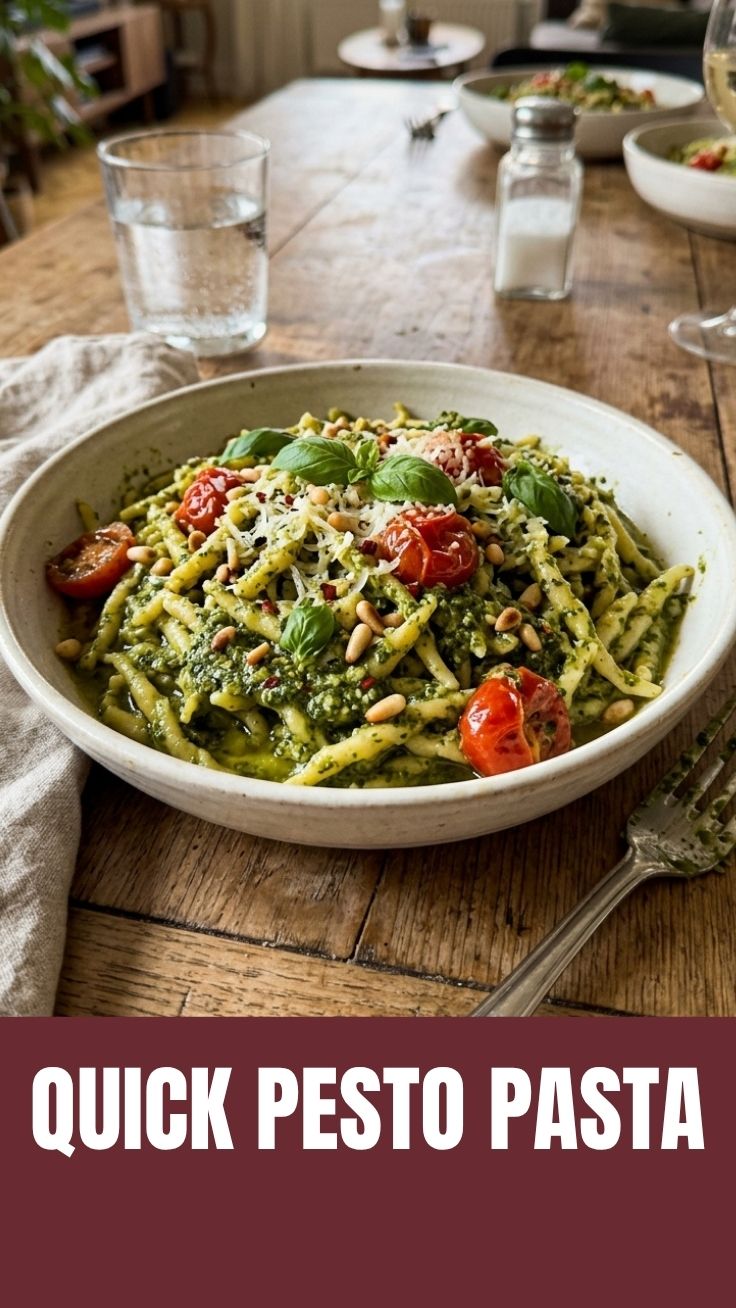
There’s something magical about a bowl of Pesto Pasta —the vibrant green sauce clings to every strand, delivering a burst of basil, garlic, and Parmigiano in every bite. Whether you’re a busy parent looking for a 20-minute dinner or a home cook seeking to elevate your everyday pasta recipes, making pesto pasta from scratch is a game-changer. Not only does it save you from store-bought jars loaded with preservatives, but it also lets you control the freshness and flavor. In this data-driven guide, you’ll learn the exact techniques to achieve restaurant-quality results at home.
—
Ingredients & Kitchen Tools
Ingredients (Serves 4)
– Fresh basil leaves – 2 cups tightly packed (use Genovese basil for best aroma)
– Pine nuts – ⅓ cup; toast lightly for nuttier flavor. Sub: walnuts or almonds
– Garlic cloves – 2–3 (adjust to taste; raw garlic gives a punch)
– Extra-virgin olive oil – ½ cup, plus more for drizzling
– Parmigiano-Reggiano – ½ cup finely grated (use Pecorino for a saltier twist)
– Pasta – 12 oz (e.g., trofie, fusilli, or spaghetti). Gluten-free? Use chickpea or rice pasta.
– Salt & black pepper – to taste
– Lemon juice – 1 tsp (optional, to brighten color and flavor)
Kitchen Tools
– Food processor or blender
– Large pot (4–5 qt)
– Colander
– Wooden spoon or tongs
– Chef’s knife & cutting board
– Measuring cups & spoons
– Rubber spatula
—
Prep Time & Cooking Schedule
| Step | Time |
|——|——|
| Brown the pine nuts | 2–3 minutes |
| Wash & dry basil | 3 minutes |
| Make the pesto | 5 minutes |
| Cook pasta | 8–10 minutes |
| Toss & serve | 2 minutes |
| Total | ~20 minutes |
No resting or marinating needed — this dish is all about fresh assembly. Perfect for a busy weekday.
—
Step-by-Step Instructions
1. Toast the pine nuts in a dry skillet over medium heat, shaking often, until golden (2–3 min). Let cool.
2. Bring a large pot of salted water to a rolling boil (1 tbsp salt per 4 qt water).
3. Add pasta and cook until al dente. Reserve ½ cup pasta water before draining.
4. While pasta cooks, make pesto: In a food processor, combine basil, cooled pine nuts, garlic, and a pinch of salt. Pulse until coarse. With motor running, slowly drizzle in olive oil. Stop, scrape sides, add Parmesan, and pulse until smooth.
5. Toss pasta with pesto in a warm bowl. Add a splash of reserved pasta water to loosen the sauce if needed. Season with pepper and a squeeze of lemon.
6. Serve immediately, topped with extra Parmesan and a basil leaf.
> Pro tip: For the best Pesto Pasta, never heat the pesto directly — toss it with hot pasta so the sauce stays fresh and vibrant. Experimenting with different pasta recipes? This basil pesto also shines on gnocchi or as a spread on crusty bread.
—
Nutritional Benefits & Advantages
| Nutrient | Per Serving (approx.) |
|———-|———————-|
| Calories | 480 kcal |
| Protein | 15 g |
| Healthy fats (mono/poly) | 22 g |
| Carbs | 55 g |
| Fiber | 4 g |
| Vitamin K | 145% DV (from basil) |
Basil is rich in antioxidants (like eugenol), while olive oil supports heart health. Pine nuts provide magnesium, and Parmesan adds calcium. This dish fits well into a Mediterranean diet and can be adapted for vegan (swap cheese for nutritional yeast).
—
Tips Variations & Cooking Advice
– Vegan version: Use 3 tbsp nutritional yeast and 1 tbsp lemon juice instead of Parmesan.
– Gluten-free option: Use corn- or rice-based pasta; add an extra 1–2 minutes to cooking time.
– Protein boost: Top with grilled chicken, seared shrimp, or crispy chickpeas.
– Herb variation: Replace half the basil with arugula or spinach for a peppery kick.
– Texture trick: For a creamier sauce, add 2 tbsp cream cheese or a splash of milk when tossing.
– Portion change: Double the pesto recipe and freeze in ice cube trays for quick meals.
—
Common Mistakes to Avoid
| Mistake | Solution |
|———|———-|
| Overcooking pasta that becomes mushy | Cook 1 minute less than package time; finish in sauce. |
| Pesto turns brown (oxidation) | Add a few ice cubes while blending; use fresh basil; toss immediately. |
| Sauce is too oily or too dry | Balance with pasta water: start with ¼ cup, add more as needed. |
| Garlic becomes bitter | Remove green germ from garlic cloves before processing. |
| Using cold pasta to mix | Always toss pesto with just-drained hot pasta for best emulsion. |
—
Storage & Meal Prep Tips
– Refrigerate: Store leftover pesto pasta in an airtight container for up to 3 days. The basil may darken slightly, but flavor remains.
– Freeze pesto only (without pasta): Portion into ice cube trays, freeze, then transfer to a bag. Keeps 3 months.
– Reheat pasta: Microwave in 30-second bursts with a splash of water or reheat in a skillet over low heat, adding a drizzle of olive oil to revive creaminess.
– Meal prep hack: Cook pasta ahead, toss with a little olive oil to prevent sticking, and refrigerate. Make fresh pesto the day you serve.
—
Conclusion
Making Pesto Pasta from scratch is a rewarding skill that takes just 20 minutes and delivers far more flavor than any jarred version. Whether you stick to the classic basil recipe or explore other pasta recipes with creative twists, the key is to respect fresh ingredients and simple techniques. We encourage you to try this recipe tonight, share your results on social media, and dive deeper into our collection of quick Italian dinners. Buon appetito!
—
FAQs
1. Can I use walnuts instead of pine nuts?
Absolutely. Walnuts are more affordable and add a slightly earthier taste. Toast them briefly for best results.
2. How can I make my pesto creamier without cream?
Add an extra tablespoon of pasta water or a small piece of soft butter while tossing.
3. Why does my pesto taste bitter?
Bitterness often comes from over-blending (oxidation) or using old basil. Blend in short pulses and use fresh leaves.
4. Can I double the recipe and freeze all of it?
Yes, but freeze pesto separately from pasta. Cooked pasta can become mushy when thawed. Better to freeze only the sauce.
5. What’s the best pasta shape for pesto?
Short shapes with ridges (trofie, fusilli, orecchiette) trap sauce best. Spaghetti works too, but requires a bit more sauce to coat evenly.
Proven way to grow flavorful pesto pasta in 30 minutes. Pesto Pasta
Ingredients
Equipment
Method
- Cook the pasta according to package directions until al dente. Reserve about 1/2 cup of the pasta water before draining.
- While the pasta cooks, combine the basil, pine nuts, Parmesan, and garlic in a food processor. Pulse until finely chopped.
- With the food processor running, slowly drizzle in the olive oil until the pesto is smooth. Season with salt and pepper.
- Add the drained pasta to a large bowl. Pour the pesto over the pasta and toss to coat evenly, adding a splash of reserved pasta water if needed to reach desired consistency.
- Serve immediately, garnished with extra Parmesan cheese if desired.