The Ultimate Guide to Perfect Homemade Cinnamon Rolls: A Step-by-Step Recipe
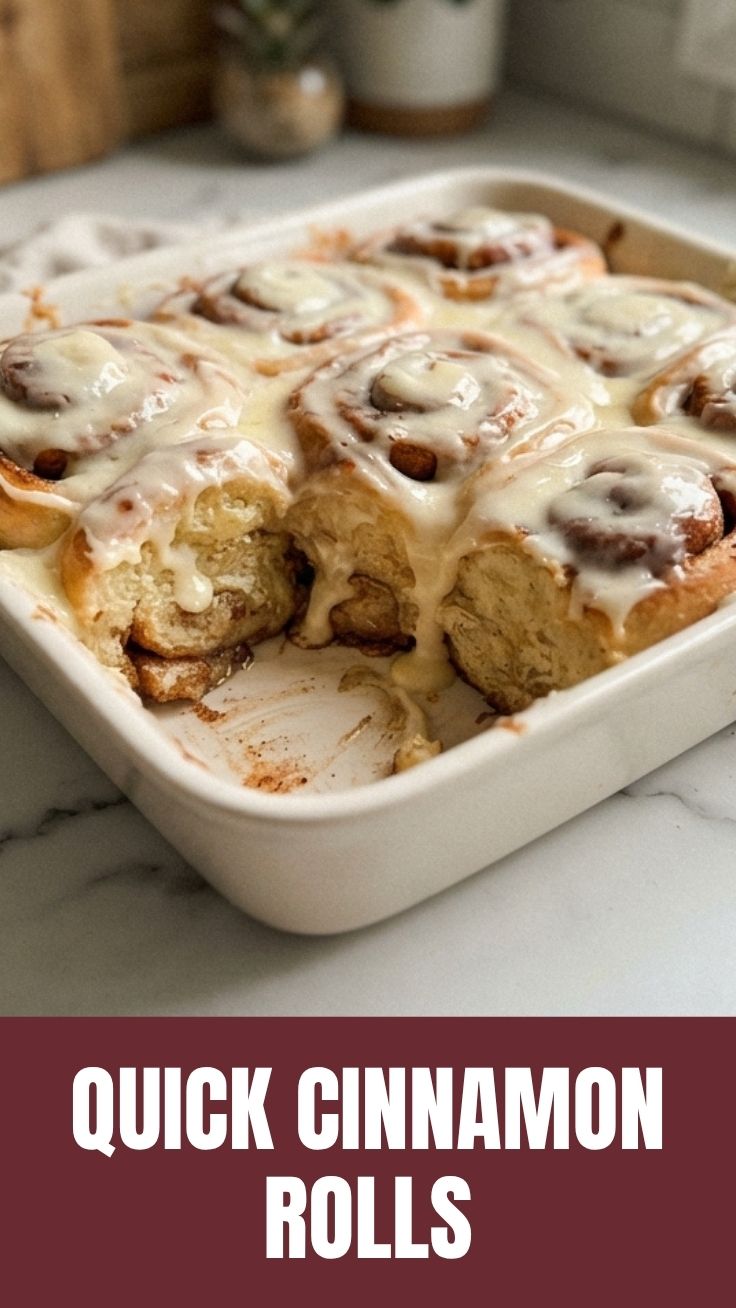
Have you ever bitten into a store-bought cinnamon roll and felt a pang of disappointment? The dry texture, the artificial sweetness, the lack of that warm, bakery-fresh aroma? You’re not alone. There’s something truly magical about pulling a tray of golden, pillowy Cinnamon Rolls from your own oven, their tops glistening with cream cheese icing. Preparing this beloved pastry at home isn’t just about the final treat—it’s about controlling every ingredient, infusing your kitchen with the comforting scent of Cinnamon, and creating a memory that no bakery can replicate. In this data-driven guide, we’ll walk you through the science and art of making cinnamon rolls from scratch, ensuring you achieve that soft, gooey, perfectly spiced result every single time. Let’s dive into the ultimate cinnamon rolls recipe.
—
Ingredients & Kitchen Tools
Essential Ingredients
– All-purpose flour (3–3½ cups): Provides structure; bread flour can be substituted for a chewier texture.
– Instant yeast (1 packet or 2¼ tsp): Allows for a faster rise; active dry yeast works too but requires blooming.
– Warm milk (1 cup, 110°F): Activates yeast and adds tenderness; use oat or almond milk for dairy-free.
– Granulated sugar (¼ cup for dough + ½ cup for filling): Feeds yeast and sweetens the swirl.
– Unsalted butter (6 tbsp softened for dough + 2 tbsp melted for filling): Adds richness; vegan butter works well.
– Eggs (1 large): Provides structure and moisture; flax egg for vegan version.
– Salt (½ tsp): Balances sweetness and strengthens gluten.
– Ground Cinnamon (2 tbsp for filling): The star spice—use high-quality Ceylon or Saigon for deeper flavor.
– Brown sugar (½ cup, packed for filling): Adds moisture and caramel-like depth.
– Cream cheese (4 oz for icing): Softened to room temperature.
– Powdered sugar (1 cup): For silky cream cheese glaze.
– Vanilla extract (1 tsp): Enhances both dough and icing.
Kitchen Tools
– Stand mixer with dough hook (or large bowl + wooden spoon)
– Rolling pin
– 9×13-inch baking dish (or 10-inch cast-iron skillet)
– Kitchen scale (for precise flour measurement)
– Plastic wrap or clean kitchen towel
– Pastry brush
Optional Substitutions
– Gluten-free: Use cup-for-cup gluten-free flour blend plus 1 tsp xanthan gum.
– Dairy-free: Substitute milk with almond milk, butter with vegan butter, and cream cheese with tofu-based cream cheese.
—
Prep Time & Cooking Schedule
– Prep Time: 25 minutes
– First Rise (Proofing): 60–90 minutes (until doubled in size)
– Assembly Time: 10 minutes (rolling, filling, cutting)
– Second Rise: 30–45 minutes (puffy and nearly doubled)
– Bake Time: 20–25 minutes at 350°F (175°C)
– Total Time: ~2 hours 30 minutes
Planning Tip: Make the dough the night before and refrigerate after the first rise. The next morning, roll, fill, and let rise for 45–60 minutes before baking. This splits the work and yields even better flavor due to slow fermentation.
—
Step-by-Step Instructions
1. Activate the Yeast (if using active dry)
In a small bowl, combine 1 cup warm milk (110°F) with 1 tablespoon sugar. Sprinkle yeast over top, let sit 5–10 minutes until foamy. For instant yeast, skip this step—just add it to the dry ingredients.
2. Create the Dough
In a stand mixer bowl, whisk together 3 cups flour, ¼ cup sugar, and ½ tsp salt. Add the yeast mixture, 1 beaten egg, and 6 tbsp softened butter. Mix on low with dough hook until a shaggy dough forms. Gradually add remaining ½ cup flour as needed, mixing on medium for 5–7 minutes until smooth and elastic. The dough should be slightly tacky but not sticky.
3. First Rise
Place dough in a greased bowl, cover with plastic wrap, and let rise in a warm, draft-free place (like your oven with the light on) for 60–90 minutes, until doubled.
4. Prepare the Filling
Mix ½ cup packed brown sugar with 2 tbsp Cinnamon and ¼ tsp salt in a small bowl. Melt 2 tbsp butter for brushing.
5. Roll and Fill
Punch down the risen dough. On a lightly floured surface, roll it into a 12×18-inch rectangle. Brush with melted butter, leaving a ½-inch border. Sprinkle the cinnamon-sugar mixture evenly over the butter.
6. Cut the Rolls
Starting from the long edge, tightly roll the dough into a log. Pinch the seam to seal. Using a sharp, unflavored dental floss or knife, cut into 12 even rolls (about 1.5 inches each).
7. Second Rise
Place rolls in a greased 9×13-inch dish, cut sides up. Cover and let rise 30–45 minutes until puffy. They should nearly double in size.
8. Bake to Perfection
Preheat oven to 350°F. Bake rolls for 20–25 minutes, until golden brown on top and internal temperature reaches 195°F. If edges darken too quickly, tent with foil halfway through. The perfect cinnamon rolls should be soft and pillowy, not dry.
9. Make the Icing
While rolls bake, beat 4 oz softened cream cheese with 1 cup powdered sugar, 2 tbsp softened butter, 1 tsp vanilla, and 1–2 tbsp milk until smooth. Spread over warm rolls as soon as they come out of oven.
10. Enjoy
Let cool for 5 minutes before serving. The aroma of freshly baked cinnamon rolls with Cinnamon is irresistible.
—
Nutritional Benefits & Advantages
Cinnamon, the star spice in this recipe, is far more than a flavor enhancer. It’s packed with antioxidants, anti-inflammatory properties, and has been linked to blood sugar regulation. A single teaspoon of Cinnamon provides about 28% of the daily recommended intake of manganese. Cinnamon rolls made at home also offer the advantage of controlled sugar and butter levels compared to store-bought versions. Each roll (with icing) contains approximately 320–350 calories, 15g fat, 45g carbs, and 6g protein. By using whole-wheat pastry flour (replace 1 cup all-purpose) and reducing sugar by 25%, you can boost fiber content without sacrificing texture.
—
Tips, Variations & Cooking Advice
– Flavor Variations: Add orange zest to the dough for citrus notes, or mix ¼ cup chopped pecans or walnuts with the filling for crunch.
– Gluten-Free Adaptation: Use a high-quality gluten-free flour blend and add 1 tsp apple cider vinegar to help the dough rise. Expect a slightly denser result.
– Vegan Version: Substitute butter with coconut oil, milk with oat milk, egg with a flax egg (1 tbsp ground flax + 3 tbsp water), and cream cheese with a cashew-based alternative.
– Alternative Cooking Methods: Bake in a cast-iron skillet for a rustic look, or use a muffin tin for individual portions (reduce bake time to 15–18 minutes).
– Texture Tips: Overworking the dough develops too much gluten, resulting in tough rolls. If the dough springs back when rolled, let it rest 10 minutes. For extra softness, add 1 tbsp potato starch to the flour.
—
Common Mistakes to Avoid
1. Killing the Yeast: Milk over 120°F destroys yeast cells. Always check temperature with a cooking thermometer.
2. Over-Flouring the Dough: Adding too much flour makes rolls dense. The dough should be slightly tacky—use a light hand when dusting the counter.
3. Cutting with a Dull Knife: A dull blade squishes the delicate layers. Use unflavored dental floss or a serrated knife for clean cuts.
4. Over-Proofing: If the rolls deflate when touched, they’ve risen too long. Refrigerate and bake immediately.
5. Over-Baking: Dry, hard rolls are the result. Bake until just golden and use an instant-read thermometer for accuracy.
—
Storage & Meal Prep Tips
– Refrigeration: Store baked, un-iced rolls in an airtight container at room temperature for 2 days. Iced rolls refrigerate well for 3–4 days.
– Freezing (Unbaked): Assemble rolls in a disposable pan, cover with plastic wrap and foil, and freeze for up to 3 months. Thaw overnight in the fridge, then bake as directed.
– Freezing (Baked): Cool completely, wrap individually in plastic wrap, then place in a freezer bag. Reheat from frozen in a 300°F oven for 10–15 minutes.
– Reheating: Microwave a single roll for 15–20 seconds, but for that fresh-baked texture, warm in a 350°F oven for 5 minutes.
—
Conclusion
Making homemade cinnamon rolls is more than a weekend project—it’s a rewarding experience that fills your home with warmth and your taste buds with joy. By following these data-driven steps, you’ll master the art of a soft, gooey, perfectly spiced pastry. Remember, the quality of your Cinnamon matters: opt for fresh, aromatic spices for the best flavor. Whether you’re baking for a holiday brunch, a lazy Sunday, or just because, these cinnamon rolls will become a cherished staple. Try this recipe today, share your results with friends, and explore our other breakfast favorites. Your perfect batch of cinnamon rolls is just a roll away.
—
FAQs
Q1: Can I use all-purpose flour instead of bread flour?
Yes, all-purpose flour works perfectly. Bread flour creates a slightly chewier texture due to higher protein content, but all-purpose yields soft, tender rolls.
Q2: My dough isn’t rising. What did I do wrong?
Common culprits include old yeast (check expiration), liquid that’s too hot (over 120°F kills yeast), or a cold environment. Use a thermometer and preheat your oven to 100°F (lowest setting) for 10 minutes, then turn off and place dough inside to rise.
Q3: Can I reduce the sugar without ruining the recipe?
You can reduce the granulated sugar in the dough by 25% (to 3 tbsp) without affecting texture. The filling sugar is harder to reduce because it creates the gooey swirl—try using ⅓ cup brown sugar instead.
Q4: How do I prevent the icing from melting into the rolls?
Let the rolls cool for 8–10 minutes before icing. If you apply it too soon, the heat will melt the cream cheese mixture into a puddle. The icing should be thick enough to hold its shape.
Q5: My cinnamon rolls always come out dry. How do I fix this?
Dry rolls usually result from over-baking or over-flouring. Bake just until golden (internal temp 195°F) and use a kitchen scale to measure flour precisely. Additionally, brush the rolls with melted butter before the second rise for extra moisture.
Proven way to grow 4 Cinnamon Rolls
Ingredients
Equipment
Method
- In a large bowl, combine flour, yeast, sugar, and salt, then in a separate bowl, whisk warm milk, melted butter, and egg.
- Combine the wet and dry ingredients, mix until a shaggy dough forms, then knead on a floured surface for 5-7 minutes until smooth and elastic.
- Place the dough in a greased bowl, cover, and let it rise in a warm place for 1-1.5 hours until doubled in size.
- On a lightly floured surface, roll out the dough into a 12x8 inch rectangle.
- In a small bowl, mix brown sugar and cinnamon, then spread softened butter over the dough and sprinkle with the sugar mixture.
- Roll the dough tightly from the long edge, then cut into 4 equal pieces.
- Place the rolls in a greased 8x8 inch baking dish, cover, and let rise for another 30 minutes.
- Preheat oven to 375°F (190°C), then bake the rolls for 20-25 minutes until golden brown.
- While rolls cool, whisk together powdered sugar, softened cream cheese, and milk until smooth.
- Spread the icing over the warm cinnamon rolls and serve immediately.