Have you ever craved a breakfast that feels both indulgent and comforting? Perfecting a classic French Toast at home is an incredibly valuable skill—it saves money, reduces food waste, and allows for total customization. This dish is rightfully considered one of the most beloved breakfast recipes in the world. In this guide, we will uncover the secrets to achieving bakery-quality results right in your own kitchen.
Ingredients & Kitchen Tools (H2)
To create the perfect custard-soaked delight, gather these key components:
– Bread: Day-old brioche, challah, or thick Texas toast works best. Stale bread absorbs the custard without disintegrating.
– Eggs: 3 large, room-temperature eggs provide the structural backbone for a rich custard.
– Whole Milk: 1/2 cup of milk adds tenderness. Heavy cream takes it to another level of decadence.
– Spices: 1 teaspoon of cinnamon and a pinch of nutmeg create the classic warmth.
– Vanilla & Salt: A teaspoon of vanilla and a generous pinch of salt are non-negotiable for balanced, deep flavor.
– Butter: For frying. It adds flavor and helps achieve a perfect golden-brown crust.
– Tools: You will need a wide, shallow dish for dipping, a sturdy whisk, a non-stick skillet or griddle, and a flexible spatula.
Prep Time & Cooking Schedule (H2)
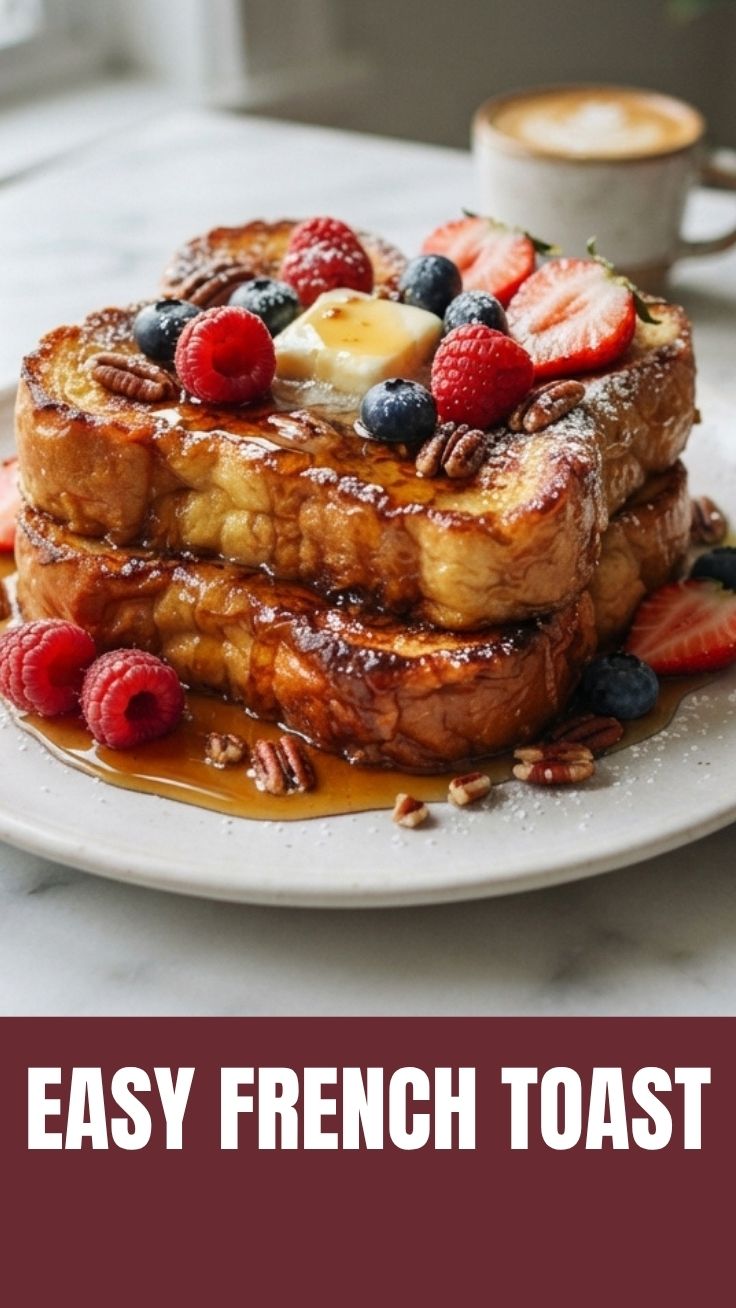
– Prep Time: 10 minutes
– Cook Time: 3–4 minutes per batch (total ~15 minutes for 4 slices)
– Total Time: ~25 minutes
This timing fits perfectly into a relaxed weekend brunch schedule. The quick prep and rapid cook time make it surprisingly achievable even on a busy weekday morning if you whisk the custard the night before.
Step-by-Step Instructions (H2)
1. Create the Custard Base: In your shallow dish, vigorously whisk the eggs until the yolks and whites are completely uniform. Add the milk, cinnamon, nutmeg, vanilla, salt, and a tablespoon of sugar or maple syrup if you like it sweeter. Whisk until everything is fully emulsified and smooth.
2. Heat the Pan: Place your non-stick skillet over medium-low heat. Add a pat of butter and let it melt gently. The butter should sizzle softly but not brown immediately. Controlling the heat is the single most important technical skill here.
3. The Perfect Dip: Take a slice of your chosen bread and submerge it briefly, about 15–20 seconds per side. The goal is full saturation without disintegration. Let the excess drip off before placing it in the pan.
4. Cook to Golden Perfection: Gently lay the soaked bread in the hot skillet. Cook for 2.5 to 3 minutes on the first side until the underside is a deep, caramelized brown. Carefully flip and cook for another 2 minutes. Clean the pan and add fresh butter between batches to prevent burnt bits.
5. Serve Immediately: Transfer the cooked slices to a warm plate. The contrast between the crispy, golden crust and the soft, custard-like interior is at its absolute peak right out of the pan.
Mastering this simple custard technique is the absolute heart of making exceptional French Toast. It is a foundational skill for anyone looking to expand their collection of impressive yet easy breakfast recipes. The key is the balance of ingredients and the patience to let the custard gently saturate the bread.
Nutritional Benefits & Advantages (H2)
Beyond its incredible taste, this dish offers surprising nutritional value. Eggs provide high-quality protein and choline for brain health, while milk delivers calcium and vitamin D. Using whole-grain or sourdough bread boosts fiber and introduces gut-friendly probiotics. The biggest advantage? It is the ultimate champion of food waste reduction, transforming stale, often discarded bread into a meal worth waking up for. It is highly customizable for various dietary macros, making it a smart choice for flexible eating plans.
Tips Variations & Cooking Advice (H2)
– Classic Cinnamon: Stick with the original spiced version for a deeply nostalgic treat.
– Savory Twist: Omit the sugar and vanilla entirely. Add black pepper, garlic powder, and fresh herbs like thyme. Serve with avocado and fried eggs.
– Vegan Version: Use a blend of plant-based milk (like oat or soy) mixed with a tablespoon of cornstarch or a mashed banana to replicate the custard texture.
– Stuffed Version: Make a sandwich with two slices, adding a filling of cream cheese and berries before dipping the assembled sandwich in the custard. Seal the edges to keep the filling inside.
– Cooking Advice: Always start with a clean pan and fresh butter for each batch to ensure a flawless, clean flavor.
Common Mistakes to Avoid (H2)
1. Soggy Centers: Caused by oversoaking or using fresh, soft bread. Solution: Use thick, day-old bread and limit the dip to 15–20 seconds per side.
2. Burnt Exterior, Raw Interior: The pan is too hot. Solution: Medium-low heat is non-negotiable. The custard needs gentle heat to cook through without the sugar in the batter caramelizing too quickly.
3. Scrambled Eggs in the Pan: If you see curds forming in your butter, the pan is too cold, you used too much milk, or you overcrowded the pan. Solution: Maintain a steady medium-low heat and give each slice enough room.
4. Bland Flavor: Without enough salt and vanilla, the flavor profile falls flat. Solution: A generous pinch of salt is the secret to making this dish taste “rounder” and more satisfying.
Storage & Meal Prep Tips (H2)
Cooked slices store remarkably well. Allow them to cool completely on a wire rack, then store them in an airtight container in the refrigerator for up to 3 days. For longer storage, freeze them! Flash freeze the cooled slices on a parchment-lined baking sheet for an hour, then transfer them to a freezer-safe bag. They will keep for up to 3 months. To reheat, skip the microwave (which makes the bread chewy and tough). Instead, pop the frozen slices directly into a toaster or an oven set to 350°F (175°C) for 5–7 minutes. This method beautifully restores the crispy exterior and tender interior.
Conclusion (H2)
Making this classic French Toast is more than just a meal; it is an act of culinary creativity that transforms simple staples into something truly magical. By following these step-by-step instructions and understanding the “why” behind each technique, you are mastering one of the essential breakfast recipes every home cook should have in their repertoire. We encourage you to try this foolproof method today and share your beautiful golden stacks with the community! To continue your morning culinary journey, check out our other top-rated breakfast recipes that the whole family will love.
FAQs (H2)
1. What is the best bread to use for this recipe?
Bread that is slightly stale and has a dense, rich crumb is ideal. Brioche, challah, Texas toast, and even croissants work wonderfully. Avoid soft sandwich bread as it tends to fall apart during soaking.
2. Can I make the custard and prepare the bread ahead of time?
Absolutely! The custard can be whisked and stored in the refrigerator for up to 24 hours in advance. You can also assemble the whole dish and bake it as a casserole for an effortless morning meal.
3. Why is my final dish soggy in the middle?
This usually happens when the bread is soaked too long, or the bread is too fresh and thin. Aim for a quick 15–20 second dip on each side and keep your pan at a steady medium-low heat.
4. Can I make this dairy-free or gluten-free?
Yes! For a dairy-free version, substitute whole milk with oat, almond, or coconut milk in a 1:1 ratio. For gluten-free, choose a sturdy gluten-free loaf, ideally a thick-cut sourdough-style bread that holds up well to the custard.
5. How do I keep the finished slices warm while cooking multiple batches?
Place a wire rack on a baking sheet inside an oven set to 200°F (95°C). As each slice finishes cooking, transfer it directly to the wire rack. This keeps the slices perfectly warm and crisp without trapping steam.
Best way to grow 4-star French Toast.French Toast
Ingredients
Equipment
Method
- In a shallow dish, whisk together the eggs, milk, sugar, cinnamon, and vanilla extract until well combined.
- Heat a non-stick skillet or griddle over medium heat and melt the butter.
- Dip each slice of bread into the egg mixture, ensuring both sides are fully coated but not soggy.
- Place the coated bread slices onto the hot skillet and cook for 2-3 minutes per side, or until golden brown and cooked through.
- Serve hot with your favorite toppings such as syrup, fresh berries, or powdered sugar.