The Ultimate Guide to Mastering Hollandaise Sauce at Home
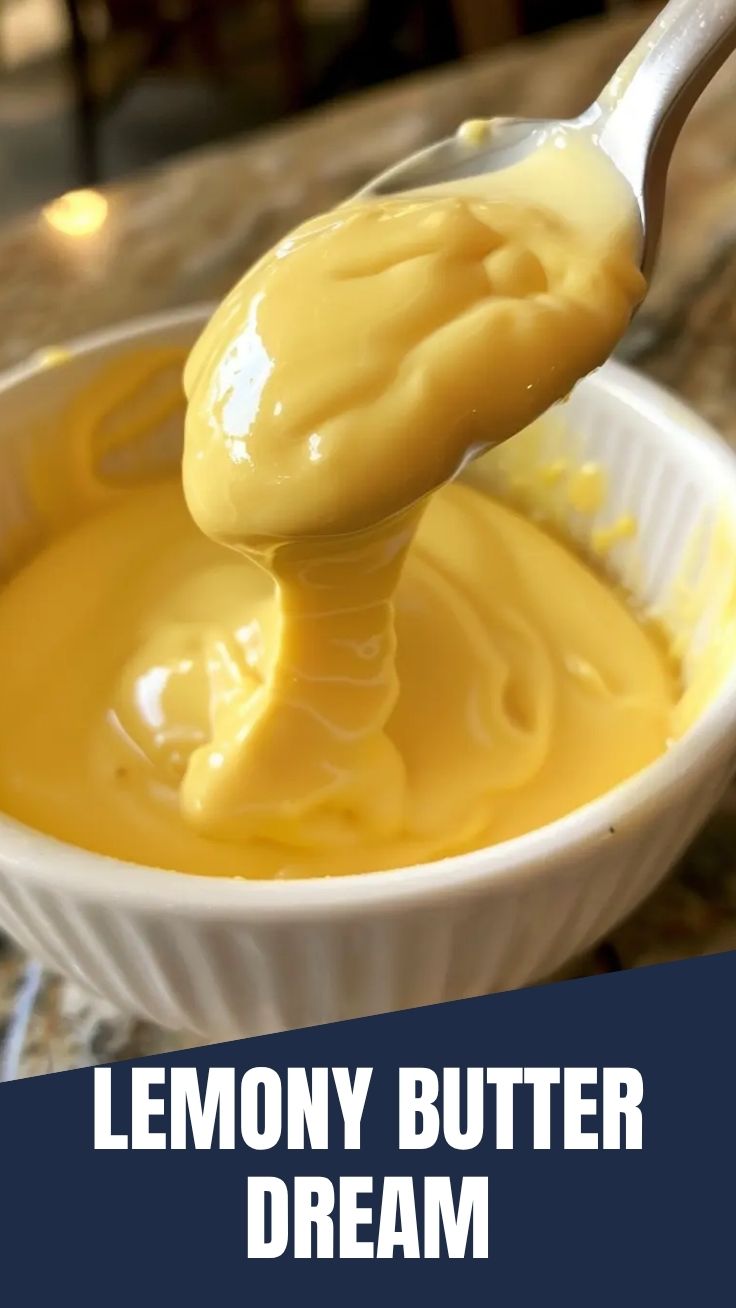
Have you ever wondered why restaurant-quality Hollandaise Sauce feels so elusive in a home kitchen? The truth is, this luxurious emulsion—often reserved for special brunches—is entirely achievable with the right technique and a bit of patience. Preparing your own Hollandaise Sauce at home not only saves money but also allows you to control the freshness and flavor intensity. Whether you are drizzling it over poached eggs or steamed asparagus, mastering this classic French sauce is a culinary milestone. In this guide, I’ll walk you through every detail, from equipment to troubleshooting, ensuring your Hollandaise Sauce turns out silky, rich, and foolproof every time.
Ingredients & Kitchen Tools
Ingredients
– 3 large egg yolks – The backbone of the emulsion; use freshest eggs for the best stability.
– 1 tablespoon lemon juice (freshly squeezed) – Adds acidity to balance richness.
– 1 tablespoon cold water – Helps stabilize the yolks during whisking.
– 1/2 cup (1 stick) unsalted butter – Cut into small cubes; clarify if you want a thicker, nuttier sauce.
– Pinch of cayenne pepper or white pepper – For subtle heat without dark specks.
– Salt to taste – Preferably fine sea salt.
Kitchen Tools
– Double boiler or heatproof bowl over simmering water – Essential for gentle, indirect heat.
– Whisk (balloon whisk preferred) – For incorporating air and preventing lumps.
– Small saucepan – To melt butter.
– Rubber spatula – For scraping every last drop.
– Instant-read thermometer (optional but recommended) – To monitor temperature (ideal range: 130°F-145°F).
Optional Substitutions
– Vinegar instead of lemon juice – Apple cider or white wine vinegar for a tangier profile.
– Ghee instead of butter – For a nuttier, dairy-free option.
– Dry mustard (1/4 teaspoon) – Adds depth and helps emulsify.
Prep Time & Cooking Schedule
– Prep Time: 5 minutes (cutting butter, separating eggs, juicing lemon)
– Cook Time: 8–10 minutes (whisking over gentle heat)
– Total Active Time: 15 minutes
– Resting Time: Serve immediately; can hold up to 30 minutes in a warm thermos.
Plan this recipe when you can serve immediately—Hollandaise is best fresh, but you can keep it warm in a covered bowl over warm (not hot) water for up to 30 minutes. Avoid reheating directly on the stove.
Step-by-Step Instructions
1. Prepare the double boiler: Fill a small saucepan with 1–2 inches of water and bring to a gentle simmer. Place a heatproof bowl on top, ensuring the bottom does not touch the water.
2. Whisk yolks and liquid: In the bowl, combine egg yolks, lemon juice, and cold water. Whisk vigorously for 30 seconds until frothy and pale.
3. Slowly add butter: In a separate small pan, melt the butter until bubbling but not brown. While whisking constantly, drizzle the melted butter into the yolk mixture in a thin, steady stream. This gradual incorporation is critical for a stable Hollandaise sauce recipe.
4. Cook gently: Continue whisking over the simmering water, scraping the sides, for 3–5 minutes until the sauce thickens enough to coat the back of a spoon. The temperature should reach 130°F–145°F—if it climbs above 150°F, the yolks will scramble.
5. Season and adjust: Remove from heat. Whisk in cayenne pepper and salt. Taste and add a drop more lemon juice if needed. If too thick, whisk in a teaspoon of warm water.
Pro Tip: If the sauce starts to separate or look granular, whisk in a teaspoon of cold water while off the heat—this can rescue a broken emulsion.
Nutritional Benefits & Advantages
Hollandaise Sauce, despite its rich reputation, offers surprising nutritional perks when made from scratch. Egg yolks are a powerhouse of choline (essential for brain health), vitamin D, and lutein for eye health. Butter provides fat-soluble vitamins A, E, and K2, especially if sourced from grass-fed cows. The lemon juice adds vitamin C and aids digestion. While calorie-dense (about 150–200 calories per 2-tablespoon serving), the sauce is satisfying in small amounts, reducing the urge for less nutritious condiments. Compared to store-bought versions, homemade Hollandaise avoids artificial emulsifiers and preservatives, making it a cleaner choice for occasional indulgence.
Tips Variations & Cooking Advice
– Flavor Variations: Add minced tarragon or chervil for a béarnaise twist. Infuse the melted butter with garlic or rosemary before straining.
– Dairy-Free Version: Replace butter with ghee (clarified butter is lactose-free) or a high-quality plant-based butter designed for cooking.
– Method Swaps: Use an immersion blender for a 2-minute shortcut—place yolks, lemon juice, and salt in a tall cup, blend, then slowly pour melted butter in while blending.
– Portion Adjustments: Double the recipe easily; just increase whisking time slightly. For a lighter sauce, fold in a tablespoon of whipped cream after emulsification.
– Gluten-Free Note: This recipe is naturally gluten-free, but always check your mustard or vinegar if using flavored varieties.
Common Mistakes to Avoid
– Overheating: The classic “scrambled eggs” disaster. Solution: Keep water at a bare simmer, not a rolling boil, and never let the bowl touch the water.
– Adding butter too quickly: This breaks the emulsion. Solution: Drizzle in a continuous thin stream—think “thread” not “pour.”
– Skipping the water: Not adding cold water to the yolks at the start can make the sauce grainy. The water stabilizes the proteins.
– Under-whisking: Lazy whisking leads to thin sauce. Solution: Whisk vigorously and constantly—your arm should feel it!
– Reheating improperly: Microwaving ruins texture. Solution: Reheat only in a double boiler over low heat for 30 seconds.
Storage & Meal Prep Tips
Hollandaise Sauce is best consumed fresh, but you can store leftovers in an airtight container in the refrigerator for up to 2 days. To reheat, place the container in a bowl of warm water (110°F–120°F) and whisk gently until smooth—do not use direct heat. Freezing is not recommended as the emulsion will separate upon thawing. For meal prep, prepare the egg yolk base (with lemon juice and water) up to 12 hours ahead, storing it covered in the fridge; then add melted butter and cook just before serving.
Conclusion
Mastering Hollandaise Sauce at home transforms your cooking from ordinary to extraordinary, adding a velvety, decadent finish to eggs, vegetables, and fish. With the right technique—gentle heat, patient whisking, and quality ingredients—you can replicate restaurant results in under 15 minutes. This Hollandaise sauce recipe is your gateway to exploring other emulsions like béarnaise or maltaise. I encourage you to try it this weekend, drizzle it over a classic Eggs Benedict, and share your silky success story in the comments below. Happy cooking!
FAQs
Q1: Can I use salted butter instead of unsalted?
Yes, but reduce added salt to compensate. Salted butter’s water content can also affect stability, so whisk more slowly.
Q2: My sauce is too thin—how do I fix it?
If it isn’t thick enough after cooking, whisk in another tablespoon of melted butter over low heat. Alternatively, dissolve 1/4 teaspoon of cornstarch in 1 tablespoon of cold water and whisk in gently.
Q3: What can I substitute for lemon juice?
White wine vinegar or apple cider vinegar works well—use 2 teaspoons. Balsamic will darken the sauce, so avoid it for traditional recipes.
Q4: How long can I keep Hollandaise warm before serving?
Up to 30 minutes in a thermos or a bowl set over warm (not hot) water. Stir occasionally and cover to prevent a skin from forming.
Q5: Is Hollandaise safe if I’m pregnant?
Using pasteurized eggs or heating the sauce to 160°F (as per FDA guidelines) reduces risk. For full safety, use a recipe with pasteurized egg yolks.
Proven way to grow Hollandaise Sauce in 5 Steps
Ingredients
Equipment
Method
- In a heatproof bowl, whisk the egg yolks, lemon juice, and Dijon mustard until light and frothy.
- Place the bowl over a saucepan of simmering water (bain-marie), ensuring the water doesn't touch the bottom of the bowl.
- Continuously whisk the mixture until it thickens and doubles in volume.
- Gradually drizzle in the melted butter while whisking constantly.
- Season with salt and cayenne pepper, then serve immediately.