The Ultimate Guide to Perfect Mac and Cheese: A Creamy, Cheesy Comfort Food Classic
Few dishes evoke the same warm, nostalgic feeling as a bubbling, golden-brown casserole of Mac and Cheese. Is there anything more satisfying than a forkful of tender pasta enveloped in a silky, rich cheese sauce? While the boxed version has its place, preparing this dish from scratch at home transforms it from a simple side into a show-stopping main course. You control the quality of the cheese, the creaminess of the sauce, and the perfect crunch of the topping. In this comprehensive guide, we’ll explore how to elevate the humble Macaroni into a culinary masterpiece, ensuring every bite is packed with flavor and texture.
Ingredients & Kitchen Tools
Before you begin, gather the following ingredients and tools. For best results, use high-quality, freshly grated cheese—pre-shredded varieties contain anti-caking agents that can make your sauce grainy.
Ingredients:
– Elbow macaroni (1 lb): The classic choice because its shape holds the sauce perfectly. For a twist, try cavatappi, shells, or rotini.
– Sharp cheddar cheese (3 cups, grated): Provides the bold, tangy flavor. Mix with a milder cheese like Monterey Jack for extra meltiness.
– Whole milk (4 cups): Creates a rich, creamy base. Substitute with 2% milk, but avoid skim for best texture.
– Unsalted butter (4 tbsp): Forms the roux with the flour.
– All-purpose flour (¼ cup): Thickens the milk into a smooth béchamel.
– Salt (1 tsp) and black pepper (½ tsp): Essential seasoning. Add a pinch of smoked paprika or mustard powder for depth.
– Panko breadcrumbs (1 cup): For a crispy, golden topping. Regular breadcrumbs work, too.
– Garlic powder and onion powder (½ tsp each): Optional but recommended for extra savory notes.
Kitchen Tools:
– Large pot: For boiling the pasta.
– Medium saucepan: For making the cheese sauce.
– 9×13-inch baking dish: A 3-quart casserole dish works, too.
– Whisk: Essential for a lump-free roux.
– Box grater: For grating cheese fresh from a block.
– Colander: For draining pasta.
Prep Time & Cooking Schedule
– Prep Time: 15 minutes (grate cheese, measure ingredients, boil water)
– Cook Time: 30 minutes (10 minutes for pasta, 10 minutes for sauce, 20 minutes to bake)
– Resting Time: 5 minutes after baking (allows the sauce to set)
– Total Time: 50 minutes
Planning Tip: This dish can be assembled a day ahead. Simply prepare the pasta and sauce, combine in the baking dish, cover, and refrigerate. Add the breadcrumb topping just before baking, and increase bake time by 10 minutes since it will be chilled.
Step-by-Step Instructions
1. Preheat and Boil Pasta: Preheat your oven to 375°F (190°C). Bring a large pot of salted water to a rolling boil. Add the Macaroni and cook according to package directions until al dente (usually 7-8 minutes). Pro tip: Undercook the pasta by 1 minute—it will continue cooking in the oven. Drain and set aside, reserving ½ cup of pasta water in case you need to thin the sauce.
2. Make the Roux: In a medium saucepan, melt 4 tablespoons of butter over medium heat. Add the flour and whisk continuously for 1-2 minutes until the mixture turns a light golden color. This step is crucial for removing the raw flour taste.
3. Build the Béchamel: Gradually pour in the milk while whisking vigorously to prevent lumps. Continue whisking until the mixture thickens to a creamy consistency (about 5 minutes). Remove from heat.
4. Create the Cheese Sauce: Stir in the shredded cheddar cheese one handful at a time, allowing each addition to melt completely before adding the next. Season with salt, pepper, garlic powder, and onion powder. Taste and adjust seasoning—this is where the magic happens. If the sauce seems too thick, stir in a splash of reserved pasta water.
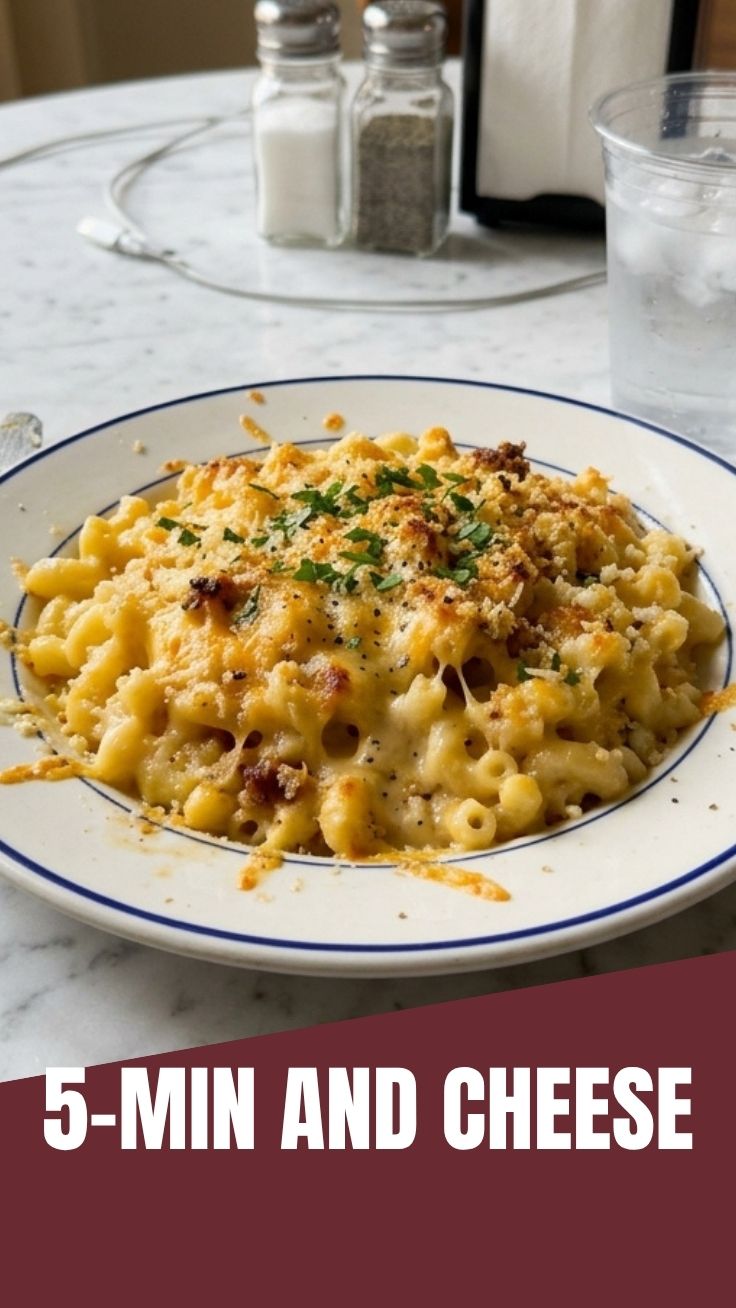
5. Combine and Assemble: In a large bowl, toss the cooked pasta with the cheese sauce until every piece is coated. Transfer the mixture to the greased 9×13-inch baking dish. This is the moment where the comfort of Mac and Cheese truly comes alive, with every kernel of pasta glistening in a velvety blanket of cheese.
6. Add Topping and Bake: Sprinkle the panko breadcrumbs evenly over the top. Bake for 20 minutes, until the sauce is bubbly and the topping is golden brown. For extra browning, switch the oven to broil for the last 2 minutes.
7. Rest and Serve: Let the dish rest for 5 minutes before serving. This allows the sauce to set slightly, making it easier to scoop.
Nutritional Benefits & Advantages
Beyond its incredible taste, homemade Mac and Cheese offers several nutritional and practical advantages over store-bought versions:
– Protein Boost: Cheese and milk provide high-quality protein (about 15-20g per serving), essential for muscle repair and satiety.
– Calcium Rich: One serving delivers over 30% of your daily calcium needs, supporting bone health.
– Controlled Sodium: By using fresh ingredients, you can reduce sodium by up to 40% compared to boxed or fast-food versions.
– Customizable Fat Content: Opt for reduced-fat cheese and 2% milk to lower saturated fat without sacrificing creaminess.
– No Preservatives: You control exactly what goes into your meal, avoiding artificial flavors, colors, and stabilizers.
Tips, Variations & Cooking Advice
– Flavor Variations:
– Smoky Bacon: Add 6 strips of cooked, crumbled bacon to the sauce.
– Spicy Buffalo: Stir in 3 tbsp of hot sauce and top with blue cheese crumbles.
– Herbed Mushroom: Sauté 8 oz of sliced mushrooms with thyme and fold into the pasta.
– Dietary Adaptations:
– Gluten-Free: Use gluten-free pasta and a 1:1 gluten-free flour blend for the roux.
– Dairy-Free: Substitute cashew milk and vegan cheddar shreds (look for brands that melt well).
– Cooking Methods:
– Stovetop Only: Skip the oven and simply serve the pasta and sauce together for a quicker, creamier version.
– Instant Pot: Cook pasta in the Instant Pot for 4 minutes high pressure, then stir in the cheese sauce directly.
– Portion Adjustments: For a smaller batch, halve all ingredients and use an 8×8-inch baking dish.
Common Mistakes to Avoid
– Overcooking the Pasta: Mushy pasta ruins the texture. Always cook to al dente, as it will soften further in the oven.
– Using Pre-Shredded Cheese: Those anti-caking agents (cellulose, potato starch) prevent smooth melting. Always grate your own block cheese.
– Skipping the Roux: If you don’t cook the flour in butter long enough, your sauce will taste raw and may be lumpy.
– Adding All Cheese at Once: Adding cheese too quickly can cause it to break (separate) into a greasy mess. Add gradually and stir constantly.
– Overbaking: While you want a golden top, overbaking can dry out the sauce. Bake until just bubbly and slightly browned.
Storage & Meal Prep Tips
– Refrigeration: Store leftovers in an airtight container for up to 5 days. The pasta will absorb some sauce, so reheat with an extra splash of milk.
– Freezing: This dish freezes beautifully. Portion into individual containers or freeze the entire casserole. It stays fresh for up to 3 months. Thaw overnight in the fridge before reheating.
– Reheating: For best results, reheat in a 350°F oven covered with foil (to prevent drying) for 15-20 minutes. Alternatively, microwave in 30-second bursts, stirring between each. Add a dash of milk to restore creaminess.
– Meal Prep: Assemble the casserole (without topping) up to 2 days in advance. Add breadcrumbs and bake when ready.
Conclusion
Mastering Mac and Cheese at home is a game-changer for your recipe repertoire. By understanding the science behind the roux, choosing high-quality cheese, and following these simple steps, you can create a dish that rivals any restaurant version. The creamy, comforting results are well worth the effort, and the flexibility to customize it for any occasion—from weeknight dinners to holiday feasts—makes it an essential skill. We encourage you to try this recipe and share your creations with friends and family. Your perfect Macaroni experience is just one bake away!
FAQs
Q: Can I use different pasta shapes for this recipe?
A: Absolutely! While elbows are classic, try shells, cavatappi, or even penne. The key is picking a shape with nooks and crannies to hold the sauce.
Q: How do I fix a cheese sauce that’s too thick?
A: Simply stir in a splash of warm milk or reserved pasta water (start with 2 tbsp) until you reach your desired consistency. Avoid adding cold liquids, which can cause the sauce to seize.
Q: What if my cheese sauce is gritty or separated?
A: This usually happens when cheese is added to high heat or pre-shredded cheese is used. Remove the saucepan from heat, whisk vigorously, and add a tablespoon of cold butter or a splash of cream to bring it back together.
Q: Can I make this recipe without baking it?
A: Yes! For a stovetop version, simply combine the cooked pasta and cheese sauce, and serve immediately. It will be creamier and quicker, though you’ll miss the crunchy topping.
Q: How can I make a lower-calorie version?
A: Use whole-wheat pasta for fiber, reduced-fat cheddar, unsweetened almond milk, and Greek yogurt in place of some cheese. You can also skip the buttery breadcrumb topping.
Mac and Cheese
Ingredients
Equipment
Method
- Cook macaroni according to package directions, then drain and set aside.
- In a large saucepan, melt butter over medium heat.
- Whisk in flour and cook for one minute, stirring constantly.
- Gradually whisk in milk and cook, stirring, until thickened.
- Remove from heat and stir in cheddar cheese until melted and smooth.
- Season the cheese sauce with salt and pepper.
- Add the cooked macaroni to the cheese sauce and stir to coat evenly.
- Transfer the mixture to a baking dish.
- Bake in a preheated oven at 375°F (190°C) for 20-25 minutes, or until bubbly and golden.
- Serve hot and enjoy your homemade mac and cheese.