The Ultimate Guide to Perfect Peanut Butter Cookies (Soft, Chewy & Bakery-Style)
Have you ever wondered why some Peanut Butter Cookies turn out dry and crumbly while others are irresistibly soft and chewy? The answer lies in a few science-backed techniques that transform a simple batch into a bakery-quality treat. Preparing these cookies at home isn’t just about saving money—it gives you full control over texture, sweetness, and dietary adaptations. Whether you follow a classic approach or prefer a quick Easy Peanut Butter Cookie Recipe, mastering this bake will elevate your dessert game instantly.
—
Ingredients & Kitchen Tools
To ensure consistent results, gather these components before you begin:
Ingredients
– 1 cup creamy peanut butter (natural or commercial; natural may require stirring and additional sugar)
– ½ cup unsalted butter, softened (adds richness; use plant-based butter for dairy-free)
– ½ cup granulated sugar (for sweetness and structure)
– ½ cup packed light brown sugar (adds moisture and chewiness)
– 1 large egg, room temperature (binds ingredients and creates tender texture)
– 1 teaspoon vanilla extract (enhances flavor depth)
– 1¼ cups all-purpose flour (spooned and leveled; swap with gluten-free 1:1 blend)
– ½ teaspoon baking soda (helps spread and rise)
– ¼ teaspoon salt (balances sweetness; omit if using salted peanut butter)
Kitchen Tools
– Electric hand mixer or stand mixer with paddle attachment
– Large mixing bowls
– Rubber spatula
– Baking sheets (preferably light-colored to prevent over-browning)
– Parchment paper or silicone baking mats
– Cookie scoop (1.5-tablespoon size)
– Wire cooling rack
—
Prep Time & Cooking Schedule
| Phase | Time | Notes |
|——-|——|——-|
| Prep | 15 minutes | Butter and egg should be at room temperature |
| Chill dough | 30 minutes | Critical step—do not skip to avoid spreading |
| Bake per tray | 10–12 minutes | Edges should be set; centers will look slightly underbaked |
| Cool on sheet | 5 minutes | Cookies continue cooking from residual heat |
| Total | ~1 hour | Perfect for afternoon baking projects |
Why chilling matters: The 30-minute rest solidifies the butter, reduces spreading, and allows the flour to fully hydrate for a denser, chewier interior.
—
Step-by-Step Instructions
1. Cream butter and sugars. In a large bowl, beat softened butter with both sugars on medium speed until light and fluffy (about 3 minutes). Scrape the bowl halfway through.
2. Add peanut butter and wet ingredients. Mix in peanut butter until fully combined, then add the egg and vanilla extract. Beat just until incorporated—overmixing now will develop gluten and toughen the cookies.
3. Whisk dry ingredients separately. In another bowl, combine flour, baking soda, and salt. Gradually add to the wet mixture on low speed, mixing until no dry streaks remain.
4. Chill the dough. Cover the bowl and refrigerate for at least 30 minutes. This is non-negotiable for achieving the classic crisscross pattern without excessive spread.
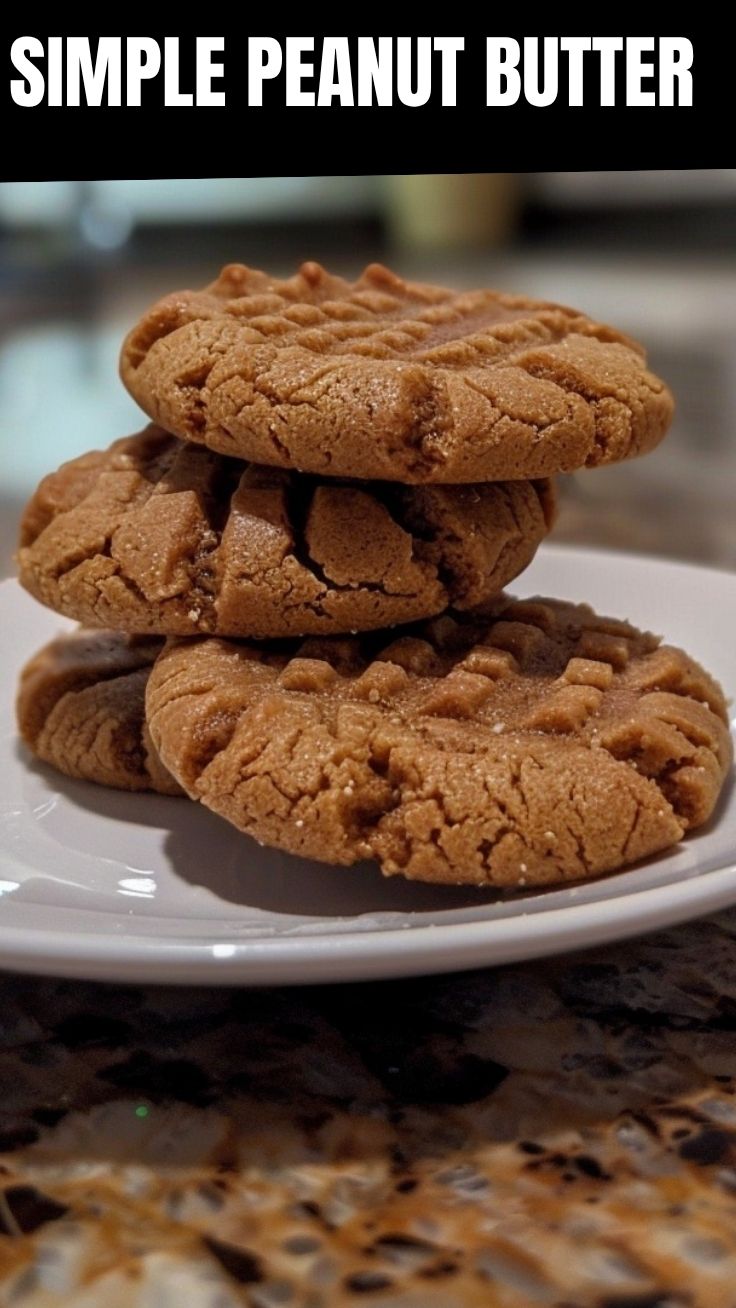
5. Preheat and shape. Set oven to 350°F (175°C). Line baking sheets with parchment. Scoop chilled dough into 1.5-tablespoon balls, roll smooth, and place 2 inches apart. Using a fork, gently press a crisscross pattern on each ball—dip the fork in sugar to prevent sticking.
6. Bake with precision. Bake one tray at a time for 10–12 minutes. The edges should be lightly golden while the centers appear slightly puffed and soft. Overbaking leads to dry cookies. This classic approach is the foundation of any authentic Peanut Butter Cookies recipe.
7. Cool properly. Let cookies rest on the baking sheet for 5 minutes, then transfer to a wire rack. If you prefer a crisper exterior, follow this Easy Peanut Butter Cookie Recipe technique—bake an extra 1–2 minutes but watch closely.
Temperature control tip: Use an oven thermometer. Most ovens run 25°F hotter than the display shows, which can cause burnt bottoms.
—
Nutritional Benefits & Advantages
Peanut butter isn’t just delicious—it’s nutrient-dense. Each cookie (based on 24 servings) contains approximately 110 calories, 7g fat, 10g carbohydrates, and 4g protein. The heart-healthy monounsaturated fats in peanuts support cardiovascular health, while the protein content helps stabilize blood sugar when paired with fiber. Compared to store-bought versions, homemade cookies contain no preservatives, trans fats, or high-fructose corn syrup. For an added boost, use natural peanut butter without added sugar or hydrogenated oils.
—
Tips Variations & Cooking Advice
– Flavor variations: Add ½ cup mini chocolate chips, a pinch of cinnamon, or a teaspoon of espresso powder for depth.
– Dietary adaptations: Use certified gluten-free 1:1 flour blend and ensure your baking soda is gluten-free. For dairy-free, replace butter with refined coconut oil (use ⅓ cup) or plant-based butter sticks.
– Texture tweaks: For extra chewy cookies, substitute one egg yolk for half of a whole egg. For crispy edges and soft centers, use all granulated sugar instead of brown.
– Portion changes: Make mini cookies (1 teaspoon dough) for 6-minute bakes, or jumbo cookies (3 tablespoons) for 15–17 minutes.
—
Common Mistakes to Avoid
| Mistake | Solution |
|———|———-|
| Dough not chilled | Always chill at least 30 minutes; warm dough spreads into thin, greasy discs |
| Overmixing after adding flour | Mix on low just until combined—overworking develops gluten and creates tough cookies |
| Using hot baking sheets | Let sheets cool completely between batches; hot sheets cause premature spreading |
| Skipping the fork indent | Without the crisscross pattern, the center rises unevenly and bakes inconsistently |
| Opening oven door too often | Sudden temperature drops cause cookies to deflate; check only after 8 minutes |
—
Storage & Meal Prep Tips
– Room temperature: Store in an airtight container with a slice of bread (replaces ethanol to keep them soft) for up to 5 days.
– Freezing baked cookies: Flash-freeze on a tray, then transfer to a freezer bag. They stay fresh for 3 months. Thaw at room temperature for 30 minutes.
– Freezing raw dough: Scoop dough balls onto a parchment-lined tray, freeze until solid, then transfer to a bag. Bake from frozen—add 2 minutes to the bake time.
– Reheating: Microwave a single cookie for 10–15 seconds to restore that just-baked softness. For multiple cookies, warm in a 300°F oven for 5 minutes.
—
Conclusion
Baking a batch of classic Peanut Butter Cookies doesn’t have to be complicated, especially when you follow this Easy Peanut Butter Cookie Recipe. With just one hour and a few smart techniques—chilling the dough, measuring flour correctly, and baking by sight rather than timer—you’ll achieve soft, chewy cookies with that signature crisscross pattern every time. I encourage you to try this recipe this weekend, share your results on social media with #HomemadeCookies, and experiment with the flavor variations listed above. Your kitchen is about to smell absolutely amazing.
—
FAQs
1. Can I use crunchy peanut butter instead of creamy?
Yes, but the texture will be slightly less cohesive and the cookies may crumble more easily. Reduce the flour by 2 tablespoons to compensate for the larger nut pieces.
2. Why did my cookies spread into thin, flat discs?
This usually means the dough was too warm. Chill it for at least 30 minutes next time. Also check that your butter was properly creamed—over-creaming incorporates too much air, causing rapid spread.
3. How do I make these cookies without eggs?
Replace one egg with a flax egg (1 tablespoon ground flaxseed + 3 tablespoons water, let sit 5 minutes) or ¼ cup unsweetened applesauce. The texture will be slightly denser and less chewy.
4. Can I reduce the sugar without ruining the texture?
You can reduce granulated sugar by ¼ cup, but the cookies will be less tender and may spread more. Brown sugar is essential for moisture, so keep that amount unchanged.
5. My cookies are too salty—what went wrong?
If you used salted butter and regular peanut butter, skip the added salt entirely. Taste your peanut butter before starting—some natural brands are already heavily salted.
Peanut Butter Cookies
Ingredients
Equipment
Method
- Preheat oven to 350°F (175°C) and line baking sheets with parchment paper.
- In a large bowl, cream together softened butter, granulated sugar, and brown sugar until the mixture is light and fluffy.
- Beat in peanut butter, eggs, and vanilla extract until all ingredients are well combined.
- In a separate bowl, whisk together the dry ingredients: flour, baking soda, and salt.
- Gradually add the dry ingredients to the wet ingredients, mixing gently until just combined without overmixing.
- Roll the dough into 1-inch balls, place them on the prepared baking sheets, and flatten each with a fork to create a crosshatch pattern.
- Bake for 10-12 minutes until the edges are golden brown, then let cool on the baking sheets briefly before transferring to a wire rack.