Mastering the Art of Rustic Sourdough Bread: A Comprehensive Guide
Have you ever dreamt of pulling a warm, crusty loaf of artisanal bread from your oven, its aroma filling your kitchen with pure comfort? Crafting your own Sourdough Bread at home is not just about baking; it’s an incredibly rewarding journey into the heart of natural fermentation, transforming simple ingredients into a culinary masterpiece. This guide will demystify the process, from nurturing your Sourdough Starter to achieving that perfect golden crust and airy crumb, proving that truly exceptional bread is within your reach.
Ingredients & Kitchen Tools
To embark on your sourdough adventure, gather these essentials:
- Bread Flour (500g): High-protein flour is crucial for developing strong gluten, essential for sourdough’s structure. Look for unbleached varieties.
- Whole Wheat Flour (50g): Adds depth of flavor and nutrients, while also feeding your Sourdough Starter.
- Water (350g – 375g, 70-75% hydration): The exact amount depends on your flour’s absorption. Filtered water is best.
- Fine Sea Salt (10g): Essential for flavor and controlling fermentation. Avoid iodized salt.
- Active Sourdough Starter (100g): Your bubbly, fed starter is the heart of this recipe.
- Large Mixing Bowl: For combining ingredients and bulk fermentation.
- Dough Scraper: Indispensable for handling sticky dough.
- Proofing Basket (Banneton): A floured basket helps the dough hold its shape and wicks away moisture for a better crust. A floured bowl lined with a tea towel can substitute.
- Dutch Oven or Baking Stone: Creates the steaming environment needed for a beautiful crust and oven spring.
- Lame or Sharp Knife: For scoring the dough before baking.
- Kitchen Scale: For precise measurement; essential for baking.
- Thermometer: To monitor water temperature and ensure optimal starter activity.
Prep Time & Cooking Schedule
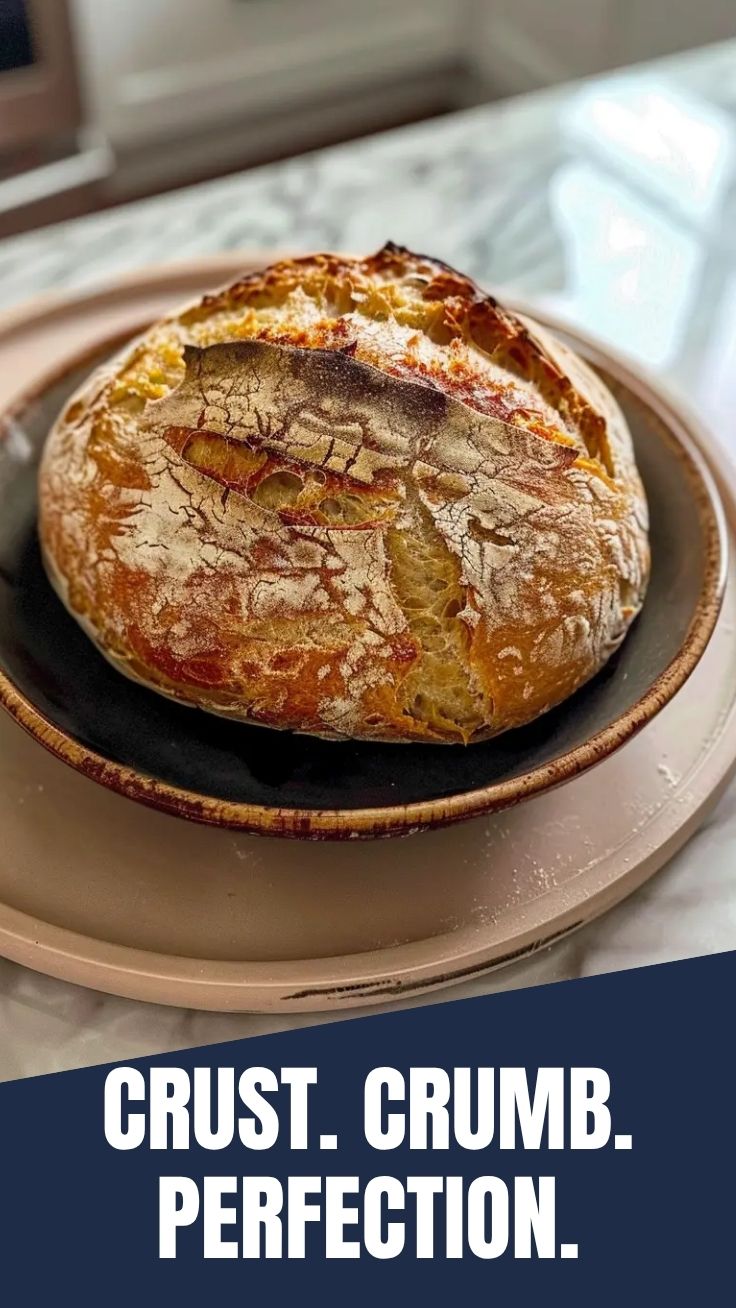
Making Sourdough Bread is a multi-stage process that spans roughly 24 hours, but most of it is hands-off resting time. Plan your baking day:
- Levain/Starter Build: 8-12 hours (overnight) – feeding your Sourdough Starter.
- Autolyse: 30 minutes – flour and water combine.
- Mixing: 15-20 minutes – incorporating starter and salt.
- Bulk Fermentation (First Rise): 4-6 hours (with folds) – developing flavor and strength.
- Preshape & Bench Rest: 20-30 minutes – relaxing the dough.
- Final Shaping: 10-15 minutes – preparing for cold proof.
- Cold Proof (Second Rise): 12-18 hours (overnight in fridge) – deepening flavor and making dough easier to handle.
- Baking: 40-50 minutes.
This schedule allows you to fit the active work around your day, with the longest periods being passive waiting.
Step-by-Step Instructions
1. Activate Your Sourdough Starter (Levain Build): The night before baking, feed your starter with 50g starter, 50g water, and 50g bread flour. Let it sit at room temperature (70-75°F / 21-24°C) for 8-12 hours until it’s bubbly, active, and has at least doubled in size. This is your levain.
2. Autolyse (30 minutes): In a large bowl, combine 500g bread flour, 50g whole wheat flour, and 350g water. Mix until no dry flour remains. Cover and let rest for 30 minutes. This allows the flour to fully hydrate and gluten to start developing naturally.
3. Mix Dough: Add 100g of your active levain (sourdough starter) and 10g sea salt to the autolysed dough. Mix thoroughly, either by hand using a pincer method (pinching and folding) or with a stand mixer on low speed for 5-7 minutes, until the salt is fully incorporated and the dough feels slightly more cohesive. Add up to 25g more water a tablespoon at a time if the dough feels too stiff.
4. Bulk Fermentation & Folds (4-6 hours): This stage is crucial for developing strength and flavor in your Sourdough Bread. Over 4-6 hours (depending on ambient temperature), perform 3-4 sets of stretch and folds every 30-45 minutes for the first 2-3 hours.
* Stretch and Fold: Lightly wet your hands, grab a portion of the dough, stretch it upwards, and fold it over itself. Rotate the bowl and repeat 3-4 times until all sides have been stretched and folded. Cover the bowl and let it rest between folds. The dough should become noticeably smoother and more elastic.
5. Preshape & Bench Rest (20-30 minutes): Gently turn the dough out onto a lightly floured surface. Using a dough scraper, gently shape it into a loose round. Cover with a damp cloth or inverted bowl and let it rest for 20-30 minutes; this allows the gluten to relax.
6. Final Shaping: Lightly flour your work surface and bench scraper. Gently flip the preshaped dough. For a bâtard (oval) or boule (round), use your hands and scraper to create tension on the surface of the dough, tucking and folding it into your desired shape. Place the seam-side up in a well-floured proofing basket (banneton).
7. Cold Proof (12-18 hours): Cover the banneton with a plastic bag or reusable lid and refrigerate overnight (12-18 hours). This significantly develops flavor, slows fermentation, and makes the dough much easier to score and handle.
8. Bake: Preheat your oven to 475°F (245°C) with your Dutch oven inside for at least 30 minutes. Carefully remove the hot Dutch oven. Gently invert your dough from the banneton onto a piece of parchment paper or directly into the Dutch oven. Score the top of the dough with a lame or very sharp knife (a single slash or decorative pattern).
* Covered Bake: Bake with the lid on for 20 minutes (this traps steam for a great crust).
* Uncovered Bake: Remove the lid, reduce the temperature to 450°F (230°C), and bake for another 20-30 minutes, or until deeply golden brown and the internal temperature reaches 200-210°F (93-99°C).
9. Cool: Transfer the baked bread to a wire rack and let it cool completely for at least 1-2 hours before slicing. This allows the internal structure to set and prevents a gummy texture.
Nutritional Benefits & Advantages
Homemade Sourdough Bread offers more than just incredible flavor; it boasts significant nutritional advantages. The long fermentation process, driven by the beneficial bacteria and wild yeasts in your Sourdough Starter, predigests gluten and breaks down phytic acid. This makes the bread easier to digest, potentially more tolerable for those with mild gluten sensitivities (though not gluten-free), and increases the bioavailability of vitamins and minerals like iron, zinc, and magnesium. It also contains probiotics and prebiotics that contribute to gut health.
Tips, Variations & Cooking Advice
- Hydration: For beginners, start with 350g water (70% hydration) and gradually increase up to 375g (75%) as you gain experience with sticky dough.
- Add-ins: After the bulk fermentation, gently fold in herbs (rosemary, thyme), olives, sun-dried tomatoes, or cheese during final shaping.
- Scoring: A deeper, confident score allows the bread to expand properly. Experiment with different patterns!
- Steam without a Dutch Oven: If you don’t have a Dutch oven, place a pan of hot water on the bottom rack of your oven while baking on a baking stone.
Common Mistakes to Avoid
- Weak Starter: Ensure your Sourdough Starter is consistently active and bubbly; a sluggish starter leads to dense bread.
- Under-proofing: Not allowing enough time for fermentation results in a dense, gummy crumb.
- Over-proofing: Dough that ferments too long will lose its structure and collapse when baked. Watch for visual cues like bubbles and a domed surface.
- Not Cooling Enough: Slicing into warm bread can make it seem gummy and moist because the internal starches haven’t fully set. Patience is key!
- Too Much Flour on Hands/Surface: Use minimal flour during shaping to prevent toughening the crust and inhibiting crumb development.
Storage & Meal Prep Tips
Once your Sourdough Bread is completely cool, store it at room temperature in a breathable bread bag or wrapped in a tea towel for 2-3 days to maintain its crust. Avoid airtight containers, which can soften the crust. For longer storage, slice the cooled loaf and freeze the slices in an airtight bag for up to 3 months. Toast directly from frozen for a fresh-baked experience.
Conclusion
Baking your own Sourdough Bread is a journey that rewards patience and persistence with truly exceptional flavor and texture. By understanding the nuances of your Sourdough Starter and the fermentation process, you unlock a world of artisanal baking right in your own kitchen. We encourage you to embark on this delicious adventure; share your beautiful loaves and experiences in the comments below!
FAQs
- Q: My dough is too sticky; what am I doing wrong?
* A: Sourdough can be sticky! Ensure you’re not overhydrating your dough (start with 70%). Use a dough scraper and wet hands to handle it, and resist adding too much extra flour during shaping.
- Q: How do I know if my Sourdough Starter is active enough?
* A: After feeding, it should be bubbly, have at least doubled in size, and pass the float test (a small dollop in water should float).
- Q: My crust isn’t crispy; what can I do?
* A: Ensure adequate steam during the initial bake (use a Dutch oven or water pan). Also, make sure your oven is fully preheated and you bake until deeply golden.
- Q: Can I use this recipe for other types of flour?
* A: While bread flour is ideal, you can experiment with up to 20-30% whole grains or different flours, but adjust hydration if needed as different flours absorb water differently.
- Q: Why do I need to cool the bread completely?
* A: Cooling allows the starches in the bread to properly gelatinize and set, resulting in a well-structured, non-gummy crumb. Cutting too early can ruin the texture.
How to grow sourdough bread
Ingredients
Equipment
Method
- Feed your sourdough starter regularly, ensuring it 's active and bubbly before baking.
- Combine all ingredients in a large bowl and mix until a shaggy dough forms, then cover and let it rest for a few hours at room temperature.
- Perform a series of stretch and folds every 30 minutes for the first two hours to build strength in the dough.
- Gently shape the dough into a round or oval, then place it in a floured banneton or bowl.
- Cover and refrigerate overnight for a slow, cold proof, which develops flavor.
- Preheat your oven with a Dutch oven inside to 450°F (232°C).
- Carefully transfer the dough to the hot Dutch oven, score the top, and bake with the lid on for 30 minutes.
- Remove the lid and continue baking for another 10-15 minutes, or until the crust is golden brown and the internal temperature reaches 200-210°F (93-99°C).
- Allow the bread to cool completely on a wire rack before slicing to ensure the best texture and flavor.