Unleash Your Inner Baker: Crafting the Perfect Focaccia Bread from Scratch
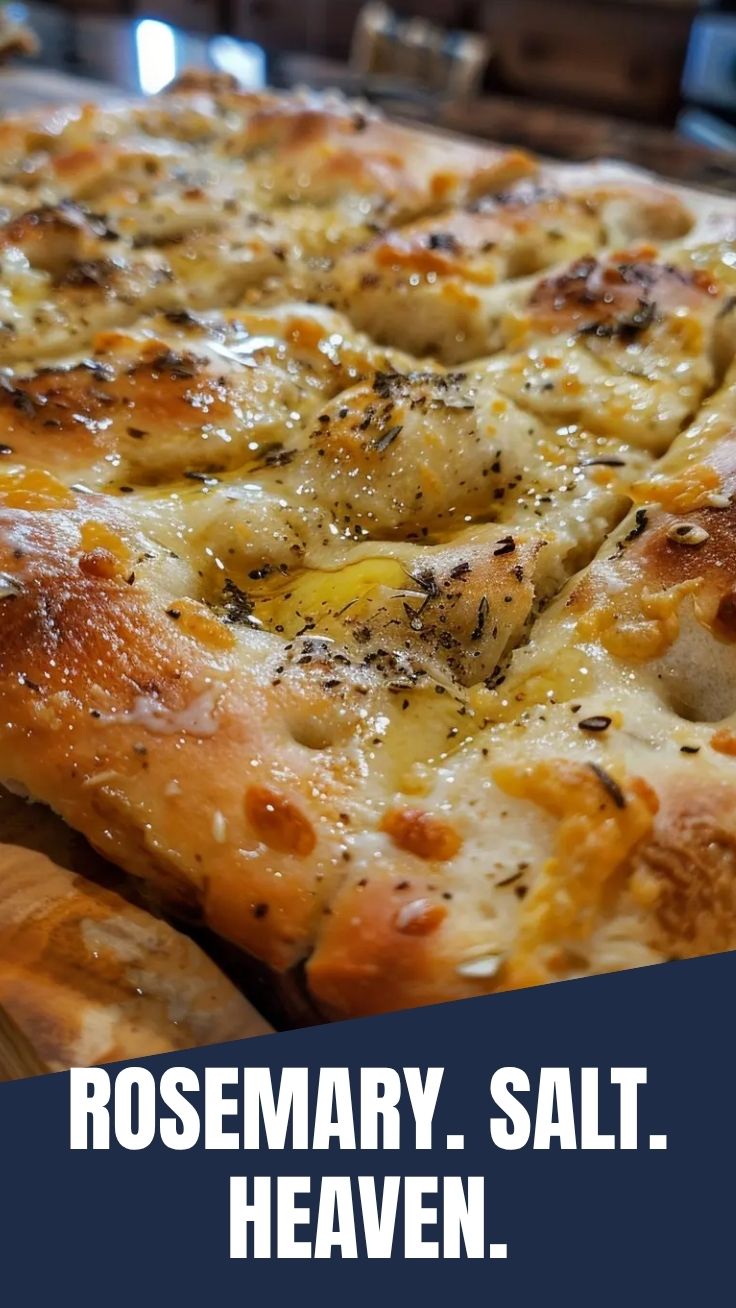
Ever wondered if you could recreate that irresistible, golden-crusted Focaccia Bread you savor at your favorite Italian eatery, right in your own kitchen? The answer is a resounding yes! There’s an undeniable satisfaction in baking bread from scratch, and focaccia, with its delicate, airy crumb and myriad topping possibilities, is the perfect starting point for both novice and experienced bakers alike. Preparing this delightful Artisan Focaccia at home not only ensures the freshest ingredients but also allows for endless customization, transforming a simple dough into a culinary masterpiece tailored to your exact preferences. Get ready to impress your family and friends with a bread that’s as beautiful as it is delicious.
Ingredients & Kitchen Tools
This recipe prioritizes accessible ingredients and standard kitchen tools to make your baking journey enjoyable and straightforward.
- All-Purpose Flour (500g): The foundation of our bread. While bread flour can be used for a chewier crust, all-purpose provides a good balance.
- Warm Water (400ml): Approximately 105-115°F (40-46°C). Crucial for activating the yeast without killing it.
- Active Dry Yeast (7g / 2 ¼ teaspoons): The magic ingredient that makes our focaccia light and airy.
- Granulated Sugar (1 teaspoon): Feeds the yeast, helping it activate more quickly.
- Fine Sea Salt (10g / 1 ¾ teaspoons): Enhances flavor and controls yeast activity. Adjust to taste, but don’t skimp entirely.
- Extra Virgin Olive Oil (60ml + more for drizzling): Essential for flavor, a tender crumb, and preventing sticking. Use good quality for best results.
- Optional Toppings:
* Fresh Rosemary (2-3 sprigs): Classic and aromatic.
* Flaky Sea Salt: For a beautiful crunchy finish and burst of saltiness.
* Cherry Tomatoes (halved): Adds a burst of color and sweetness.
* Olives (pitted and sliced): For a briny, savory note.
* Garlic (thinly sliced or minced): For an aromatic kick.
- Large Mixing Bowl: For combining ingredients and the first rise.
- Measuring Cups and Spoons: For accurate ingredient quantities.
- Kitchen Scale: Highly recommended for precise flour and water measurements, ensuring consistent results.
- Whisk or Fork: To combine dry ingredients.
- Rubber Spatula or Danish Dough Whisk: For mixing the dough.
- 9×13 inch Baking Pan: Or a similar-sized pan. Avoid dark-colored pans as they can lead to over-browning.
- Parchment Paper: Optional but highly recommended for easy removal and cleanup.
- Clean Kitchen Towel or Plastic Wrap: For covering the dough during rising.
Prep Time & Cooking Schedule
- Prep Time: 20 minutes
- First Rise (Bulk Fermentation): 1.5 – 2 hours
- Second Rise (Proofing in Pan): 30 minutes – 1 hour
- Bake Time: 20-25 minutes
- Total Time: Approximately 2.5 – 3.5 hours
Planning is key for this Focaccia Bread! The majority of the time is hands-off, allowing the yeast to work its magic. Start the dough in the late morning for an afternoon bake, leaving plenty of time for the necessary rises. The long fermentation contributes to the focaccia’s characteristic flavor and texture.
Step-by-Step Instructions
1. Activate the Yeast: In your large mixing bowl, combine the warm water, sugar, and active dry yeast. Give it a gentle stir and let it sit for 5-10 minutes until foamy. This indicates the yeast is alive and ready to work.
2. Combine Dry Ingredients: Add the flour and salt to the activated yeast mixture. Pour in 60ml of extra virgin olive oil.
3. Mix the Dough: Using a rubber spatula or Danish dough whisk, mix until all the flour is hydrated and a shaggy, sticky dough forms. Do not overmix; just ensure there are no dry spots. This dough will be very wet, which is desirable for a tender crumb.
4. First Rise (Bulk Fermentation): Cover the bowl with a clean kitchen towel or plastic wrap. Place it in a warm, draft-free spot for 1.5 to 2 hours, or until the dough has at least doubled in size and looks bubbly. The longer the rise, the more flavor develops.
5. Prepare the Pan: Drizzle a generous amount of olive oil into your 9×13 inch baking pan. If using parchment paper, line the pan first, then drizzle oil generously over the paper. This is crucial for preventing sticking and achieving a crispy bottom crust.
6. Transfer and Dimple: Gently pour or scrape the risen dough into the prepared pan. Using oily hands, gently stretch the dough towards the corners of the pan. Don’t force it; if it springs back, let it rest for 5-10 minutes and try again. Once spread, use your fingers to create deep dimples all over the surface of the dough.
7. Add Toppings and Second Rise: Drizzle more olive oil over the dimpled dough. Scatter your chosen toppings (rosemary, flaky sea salt, cherry tomatoes, etc.) evenly across the surface. Cover the pan loosely with plastic wrap or a kitchen towel and let it rise again for 30 minutes to 1 hour, or until visibly puffy.
8. Preheat Oven & Bake: While the dough is on its second rise, preheat your oven to 425°F (220°C). Bake for 20-25 minutes, or until the Focaccia Bread is a beautiful golden brown on top and thoroughly cooked through. The Artisan Focaccia should sound hollow when tapped on the bottom.
9. Cool and Serve: Allow the focaccia to cool in the pan for 5-10 minutes before transferring it to a wire rack to cool completely. Slice and serve warm or at room temperature.
Nutritional Benefits & Advantages
This homemade Focaccia Bread, while a delicious indulgence, offers several nutritional benefits, especially compared to highly processed alternatives. Made primarily from flour, water, and olive oil, it provides a good source of complex carbohydrates for sustained energy. Extra virgin olive oil, a cornerstone of this recipe, is rich in monounsaturated fats, known for their heart-healthy properties and anti-inflammatory compounds. If you incorporate fresh herbs like rosemary or vegetables like cherry tomatoes, you also add valuable antioxidants and vitamins. The fermentation process, while not as aggressive as sourdough, can also contribute to better digestibility of grains.
Tips, Variations & Cooking Advice
- Flavor Variations: Get creative! Try sun-dried tomatoes and basil, caramelized onions and thyme, or a blend of olives and feta. For a sweet treat, try a sprinkle of sugar and cinnamon after dimpling.
- Gluten-Free Focaccia: While this recipe uses all-purpose flour, you can adapt it using a high-quality gluten-free bread flour blend. Be aware that the texture and hydration levels might vary, so adjust water as needed.
- Overnight Cold Fermentation: For an even more complex flavor and superior texture, after the first rise, cover the bowl tightly and refrigerate the dough overnight (up to 24 hours). The next day, let it come to room temperature for about an hour before proceeding with step 5. This method is a secret to truly extraordinary Focaccia Bread.
- Don’t Rush the Rise: The rising times are critical. A slow, proper rise is what gives focaccia its characteristic airy texture and well-developed flavor.
- Generous Olive Oil: Don’t be shy with the olive oil, especially in the pan and over the top. It contributes significantly to the crust and flavor.
Common Mistakes to Avoid
- Not Activating Yeast: If your yeast doesn’t foam, it’s either dead or the water temperature was wrong. Start over with fresh yeast and correct water temperature.
- Too Little Olive Oil: This can lead to a dry focaccia and a stuck mess in the pan. Be generous!
- Over-mixing the Dough: Focaccia dough is meant to be wet and shaggy. Over-mixing develops too much gluten, making it tough rather than tender.
- Undercooking: An undercooked Focaccia Bread will be gummy. Ensure it’s a deep golden brown and sounds hollow.
- Rushing the Rises: Impatience is the enemy of good bread. Allow the dough ample time to rise fully.
Storage & Meal Prep Tips
Leftover Focaccia Bread is best stored at room temperature in an airtight container or wrapped tightly in plastic wrap for 2-3 days. For longer storage, slice the focaccia and freeze individual portions in freezer-safe bags or aluminum foil for up to 3 months. To reheat, thaw frozen portions at room temperature, then warm in a preheated oven at 350°F (175°C) for about 5-7 minutes until soft and warm again. A toaster oven also works wonderfully for smaller slices. While delicious on its own, it makes excellent sandwiches or can be served alongside soups and salads.
Conclusion
Mastering homemade Focaccia Bread is an incredibly rewarding culinary experience, transforming simple ingredients into a flavorful, aromatic, and undeniably impressive loaf. By following these steps and embracing the inherent patience of bread-making, you’ll be well on your way to creating a truly authentic Artisan Focaccia that will have everyone reaching for another slice. Don’t hesitate to experiment with different toppings and make this versatile bread your own signature dish. We highly encourage you to give this recipe a try and share your delicious results with us!
FAQs
1. Can I use instant yeast instead of active dry yeast?
Yes, you can. Instant yeast can generally be added directly to the flour without proofing. You might also use slightly less (about 2 teaspoons).
2. My dough isn’t rising. What went wrong?
The most common culprits are dead yeast (check expiry date, ensure water temperature is correct) or a cold environment. Ensure your water is warm enough and your rising spot isn’t too chilly.
3. How can I achieve a crispier bottom crust?
Use plenty of olive oil in the pan (or parchment paper with oil). You can also preheat a baking stone or an inverted baking sheet in the oven and place the focaccia pan directly on it for better heat transfer.
4. Can I make this focaccia sweet?
Absolutely! Skip the savory toppings and instead drizzle with olive oil and sprinkle with a mixture of sugar and cinnamon, or even add some thin apple slices and a crumble topping.
5. What’s the best way to serve focaccia?
Warm focaccia is delightful on its own, dipped in olive oil and balsamic vinegar, or served as a side with pasta, soups, and stews. It also makes fantastic sandwiches!
Proven way to grow perfect Focaccia Bread
Ingredients
Equipment
Method
- In a large bowl, whisk together the flour, yeast, sugar, and salt. Gradually add the lukewarm water and olive oil, mixing until a shaggy dough forms.
- Cover the bowl with plastic wrap and let it rest in a warm place for 1-2 hours, or until doubled in size.
- Preheat your oven to 200°C (390°F) and lightly grease a baking sheet or a 9x13 inch baking pan with olive oil.
- Gently transfer the dough to the prepared baking sheet and, using your fingertips, gently dimple the dough, creating indentations across the surface.
- Drizzle generously with olive oil, then arrange the cherry tomatoes and sprinkle with fresh rosemary and flaky sea salt.
- Bake for 20-25 minutes, or until golden brown and cooked through.
- Remove from the oven, let cool slightly on a wire rack, then cut into slices and serve warm.