The Secret to Perfectly Soft, Fluffy Dinner Rolls: Your Ultimate Guide
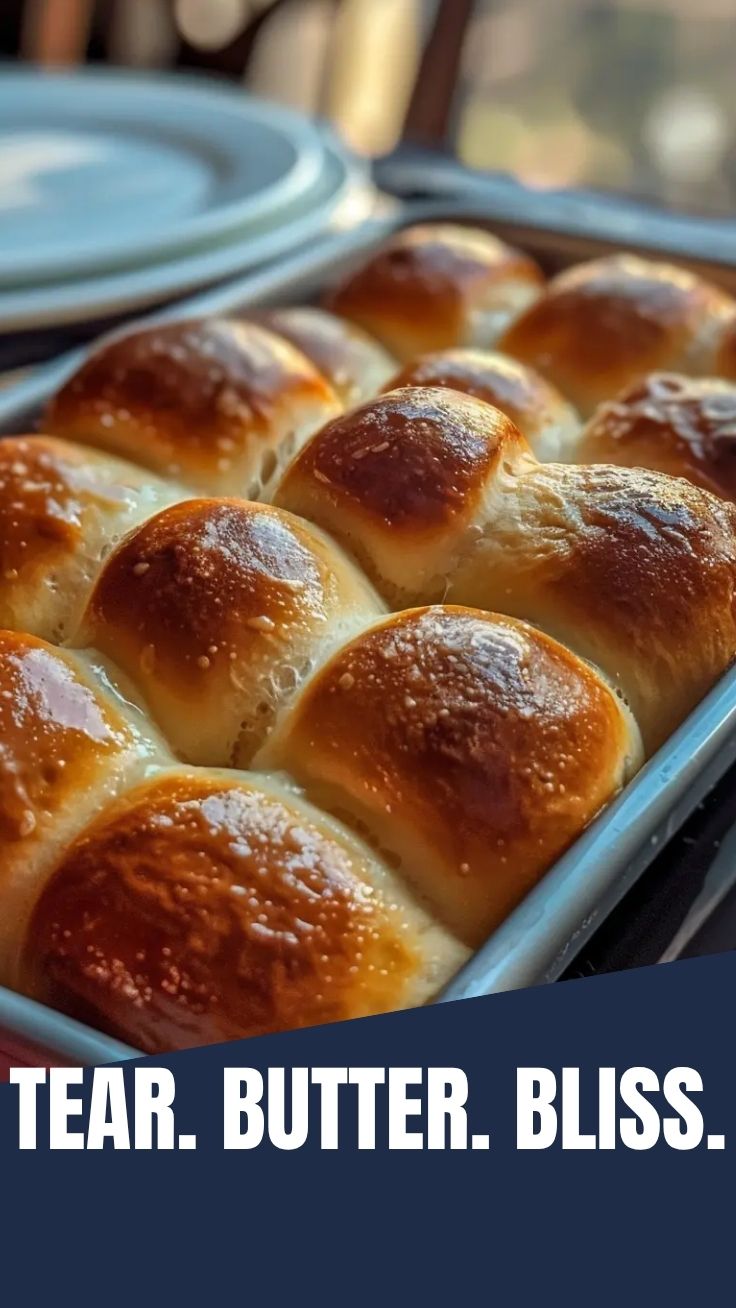
Have you ever dreamed of pulling warm, golden-brown rolls straight from your oven, filling your kitchen with an irresistible aroma? There’s something undeniably magical about freshly baked bread, and crafting Dinner Rolls (Soft) at home offers an unparalleled experience. Beyond the delicious taste, the satisfaction of creating something so comforting from scratch is truly rewarding. This guide is your passport to mastering the art of the perfect dinner roll, ensuring every bite is light, airy, and utterly delightful. Forget store-bought versions; these Homemade Dinner Rolls will quickly become a cherished favorite.
Ingredients & Kitchen Tools
To embark on your journey to the perfect dinner rolls, gather these essential items:
- All-Purpose Flour (4 cups): The structural backbone of our rolls.
- Warm Milk (1 cup): Crucial for activating the yeast; ideally between 105-115°F (40-46°C).
- Active Dry Yeast (2 ¼ teaspoons or 1 packet): The leavening agent that makes our rolls rise.
- Granulated Sugar (¼ cup): Feeds the yeast and adds subtle sweetness.
- Salt (1 teaspoon): Enhances flavor and controls yeast activity.
- Unsalted Butter, melted (¼ cup + 2 tablespoons for brushing): Adds richness and keeps rolls tender.
- Egg (1 large): For an enriched dough and a golden brown crust.
Kitchen Tools:
- Large Mixing Bowl: For combining and kneading the dough.
- Stand Mixer with Dough Hook (optional but recommended): Simplifies the kneading process.
- Measuring Cups and Spoons: For accurate ingredient measurement.
- Whisk: To combine dry ingredients.
- Small Saucepan: For warming the milk.
- Baking Sheet (9×13 inches): To bake your rolls.
- Parchment Paper or Non-Stick Spray: Prevents sticking.
- Pastry Brush: For buttering the tops of the rolls.
- Kitchen Towel: For covering the dough during proofing.
Optional Substitutions:
- Whole Milk: Can be substituted with 2% or even non-dairy milk (like almond or soy) for a slightly different texture.
- Honey: Can replace granulated sugar for a nuanced sweetness.
- Olive Oil: A smaller amount can replace butter for a dairy-free option, though texture will differ slightly.
Prep Time & Cooking Schedule
- Prep Time: 25 minutes
- First Rise (Proofing): 60-90 minutes
- Shape & Second Rise: 30-45 minutes
- Bake Time: 15-20 minutes
This recipe involves two rises, which are essential for developing that signature soft texture. Plan your baking session to accommodate these resting periods. The first rise typically takes the longest, while the second rise is quicker as the dough is already active.
Step-by-Step Instructions
1. Activate the Yeast: In a large bowl, combine warm milk, granulated sugar, and yeast. Let it sit for 5-10 minutes until foamy, indicating the yeast is active. This crucial step ensures your Dinner Rolls (Soft) will rise beautifully.
2. Combine Ingredients: Whisk in the melted butter and egg into the yeast mixture. Gradually add the flour and salt, mixing until a shaggy dough forms.
3. Knead the Dough: Turn the dough out onto a lightly floured surface (or use a stand mixer with a dough hook). Knead for 8-10 minutes until the dough is smooth, elastic, and no longer sticky. Proper kneading is key for developing gluten, which contributes to the rolls’ structure and delicate crumb.
4. First Rise: Place the kneaded dough in a lightly oiled bowl, turning once to coat. Cover with a clean kitchen towel or plastic wrap and let it rise in a warm spot for 60-90 minutes, or until doubled in size.
5. Shape the Rolls: Gently punch down the risen dough to release air. Divide it into 12-16 equal pieces, depending on your desired roll size. Shape each piece into a smooth ball by tucking the edges underneath. Arrange the Homemade Dinner Rolls about an inch apart on your prepared baking sheet.
6. Second Rise: Cover the shaped rolls again and let them rise for another 30-45 minutes, or until noticeably puffy.
7. Bake: Preheat your oven to 375°F (190°C). Bake for 15-20 minutes, or until golden brown on top.
8. Butter and Serve: As soon as they come out of the oven, brush the tops of the hot rolls with the remaining melted butter for extra flavor and shine. Serve warm.
Nutritional Benefits & Advantages
These dinner rolls, while a delightful indulgence, also offer some nutritional value. Made with milk, they provide a source of calcium and protein. The flour supplies carbohydrates for energy, and the butter adds healthy fats in moderation. Preparing them at home allows you to control the quality of ingredients, avoiding artificial additives and preservatives often found in store-bought counterparts. Enjoying fresh, warm bread can also boost mood and create a comforting experience.
Tips, Variations & Cooking Advice
- Herb-Infused Rolls: Add 1-2 tablespoons of finely chopped fresh herbs like rosemary, thyme, or chives to the dough during the kneading stage for an aromatic twist.
- Garlic Parmesan Rolls: Brush baked rolls with garlic butter and sprinkle with grated Parmesan cheese right after baking.
- Sweet Rolls: Increase the sugar by a tablespoon and add a ½ teaspoon of cinnamon to the dough for a slightly sweet version. They’re delicious with a honey butter glaze.
- Egg Wash for Shine: For an extra glossy, golden crust, brush the shaped rolls with an egg wash (1 egg beaten with 1 tablespoon water) before baking.
- Don’t Over-Flour: Too much flour can make the rolls dense and dry. Add just enough flour during kneading to prevent sticking.
Common Mistakes to Avoid
- Using Cold Milk: Cold milk won’t activate the yeast, leading to rolls that don’t rise. Always use warm milk (105-115°F/40-46°C).
- Not Kneading Enough: Insufficient kneading results in a sticky, unstructured dough and a less airy crumb. Aim for that smooth, elastic dough.
- Over-Proofing: While rising is good, letting the dough rise for too long can cause it to collapse in the oven, leading to a denser texture.
- Baking Too Long: Overbaking can dry out the rolls. Keep an eye on them; they’re done when golden brown and register an internal temperature of about 200°F (93°C).
Storage & Meal Prep Tips
Store leftover Dinner Rolls (Soft) in an airtight container at room temperature for up to 2-3 days. For longer storage, freeze them. Once completely cooled, place rolls in a freezer-safe bag or container and freeze for up to 3 months. To reheat, thaw at room temperature, then warm in a 350°F (175°C) oven for 5-7 minutes, or until heated through and soft. Brushing with a little water before reheating can help restore moisture. They are perfect for meal prepping and can be pulled out for quick sides to any meal.
Conclusion
There’s nothing quite like the warmth and comfort of a basket of Dinner Rolls (Soft), fresh from your own oven. This recipe empowers you to create fluffy, irresistible rolls that will impress everyone at your table. By following these detailed instructions, you’ll master the techniques to consistently achieve perfect Homemade Dinner Rolls that are light, tender, and incredibly flavorful. Don’t hesitate to try this recipe, and share your baking triumphs with us! Your kitchen is about to become your favorite bakery.
FAQs
1. Can I make the dough ahead of time?
Yes! You can prepare the dough up to the first rise, then punch it down, cover it tightly, and refrigerate overnight. Let it come to room temperature for about 30-60 minutes before shaping and proceeding with the second rise and baking.
2. My rolls didn’t rise. What went wrong?
The most common culprit is inactive yeast. Ensure your milk is warm (not hot!) and check the yeast’s expiration date. If your kitchen is cold, find a warmer spot for proofing, like near a preheating oven or in a sunny window.
3. How can I make these rolls dairy-free?
Substitute dairy milk with a plain, unsweetened non-dairy milk (like almond or soy) and use a neutral-flavored oil (like olive or vegetable oil) instead of butter.
4. Can I add whole wheat flour?
You can substitute up to half of the all-purpose flour with whole wheat flour for a heartier roll, but be aware that the rolls may be slightly denser. You might also need a little extra liquid.
5. What’s the best way to reheat leftovers?
For best results, wrap individual rolls in foil and reheat in a 300°F (150°C) oven for 5-10 minutes, or until soft and warm. Alternatively, a quick zap in the microwave (10-20 seconds per roll) can work, but they might be chewier.
Dinner Rolls (Soft)
Ingredients
Equipment
Method
- In a large bowl, combine the flour, yeast, sugar, and salt and whisk well.
- In a separate bowl, whisk together the warm milk, melted butter, and egg.
- Pour the wet ingredients into the dry ingredients and mix until a shaggy dough forms.
- Turn the dough out onto a lightly floured surface and knead for 5-7 minutes until it is smooth and elastic.
- Place the dough in a lightly oiled bowl, cover it, and let it rise in a warm place for 15-20 minutes, or until doubled in size.
- Punch down the dough and divide it into 12 equal pieces. Shape each piece into a smooth roll.
- Place the rolls in a greased 9x13 inch baking dish, cover, and let them rise for another 10-15 minutes.
- Preheat your oven to 375°F (190°C).
- Bake the rolls for 15-20 minutes, or until golden brown.