Why Your Weeknight Dinner Needs These High Protein Grilled Chicken Recipes
Are you tired of dry, flavorless chicken that leaves you reaching for extra sauce? You’re not alone. The struggle to create juicy, protein-packed meals that don’t take hours of preparation is real. That’s where mastering high protein grilled chicken recipes changes everything. By preparing this staple at home, you control the ingredients, avoid hidden sugars and preservatives, and save money while building a lean, satisfying meal. The secret lies not just in the cooking technique, but in the grilled chicken marinades that infuse every bite with moisture and depth. Whether you’re meal prepping for the week or grilling for a family gathering, this approach guarantees consistent, restaurant-quality results right from your backyard.
Ingredients & Kitchen Tools
For the Chicken Base:
– 4 boneless, skinless chicken breasts (6–8 oz each) – Look for uniform thickness to ensure even cooking; trim any excess fat
– 2 tablespoons olive oil – A neutral oil with a high smoke point; avocado oil works equally well
– 1 teaspoon kosher salt – Enhances natural flavor without overpowering; use sea salt as a substitute
– ½ teaspoon black pepper – Freshly ground provides more aromatic depth
– ½ teaspoon garlic powder – Avoid fresh garlic in the marinade to prevent burning; this adds flavor without charring
For the Marinade (Makes ¾ cup):
– ¼ cup low-sodium soy sauce or tamari (gluten-free option)
– 3 tablespoons apple cider vinegar – Tenderizes meat while adding bright acidity
– 2 tablespoons honey or maple syrup – Balances tanginess; omit for low-sugar version
– 1 tablespoon Dijon mustard – Acts as an emulsifier and adds subtle heat
– 1 teaspoon smoked paprika – Provides smoky depth without liquid smoke
– ½ teaspoon onion powder
Kitchen Tools:
– Grill (gas or charcoal) or grill pan – Charcoal adds smokiest flavor; gas offers temperature control
– Instant-read meat thermometer – Non-negotiable for perfect doneness
– Mixing bowl and whisk for marinade
– Tongs with silicone grips – Prevent scratching non-stick surfaces
– Resealable plastic bag or shallow dish for marinating
– Basting brush (optional but helpful)
Optional Substitutions:
– Chicken thighs instead of breasts – Higher fat content means more forgiving cooking; adjust time by 2–3 minutes per side
– Coconut aminos replace soy sauce in paleo diets
– Lime juice replaces vinegar for a citrus-forward twist
Prep Time & Cooking Schedule
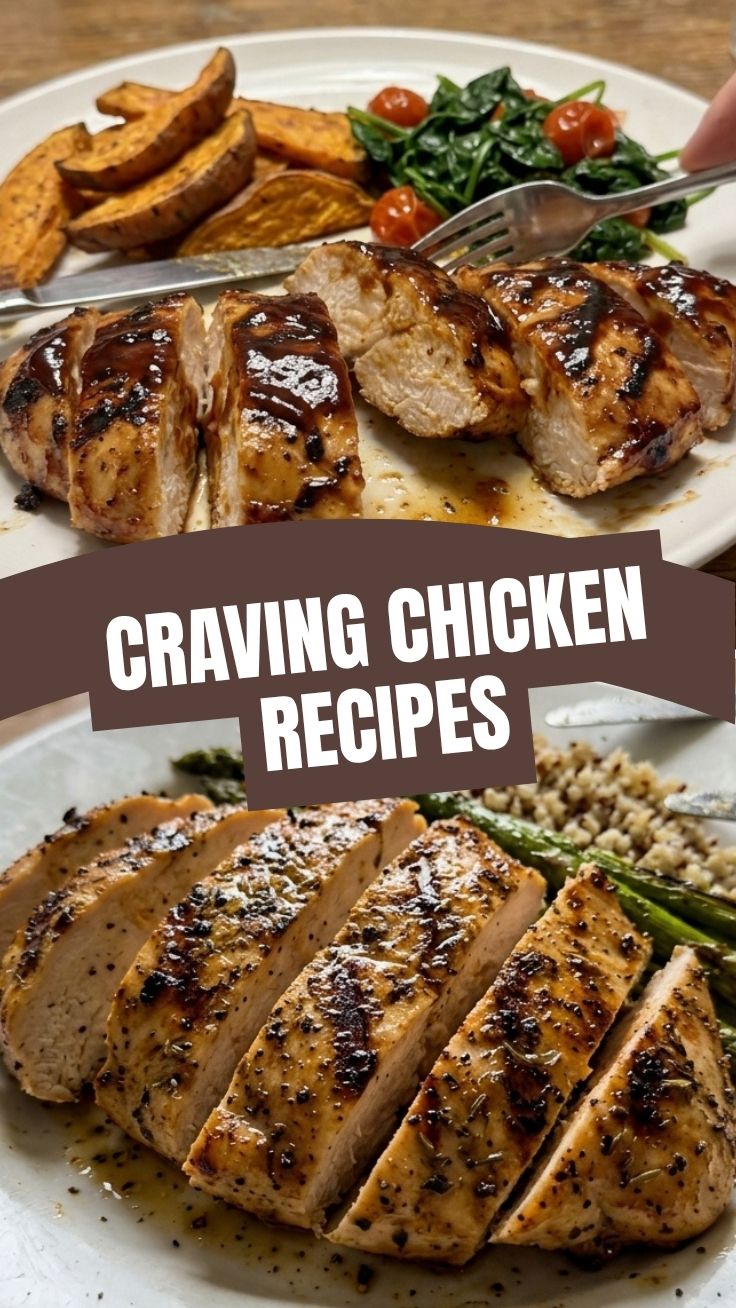
Timeline Breakdown:
– Marinating Time: 30 minutes minimum (room temperature) to 4 hours (refrigerated) – Marinating longer than 6 hours can make meat mushy due to acid breakdown
– Prep Time: 10 minutes – Includes trimming chicken, mixing marinade, and starting grill
– Grill Preheating: 15 minutes – Crucial for achieving solid grill marks and preventing sticking
– Active Cooking Time: 10–12 minutes total (5–6 minutes per side)
– Resting Time: 5–7 minutes – Allows juices to redistribute; do not skip this step
– Total Time: Approximately 1 hour (including marinating)
Planning Context: For best results, start the marinade in the morning or during lunch break. If you’re pressed for time, a 20-minute quick marinade at room temperature still improves flavor significantly over unseasoned chicken. The resting period is ideal for preparing side dishes like roasted vegetables or a quick grain salad.
Step-by-Step Instructions
Step 1: Prepare the Marinade
Whisk together soy sauce, apple cider vinegar, honey, Dijon mustard, smoked paprika, and onion powder in a medium bowl until honey dissolves completely. Reserve 2 tablespoons of this mixture in a separate container for basting during the last 2 minutes of cooking – this prevents cross-contamination.
Step 2: Prepare the Chicken
Place chicken breasts between two sheets of plastic wrap and gently pound to an even ¾-inch thickness using a rolling pin or meat mallet. This ensures uniform cooking – thick ends will dry out before thin ends reach safe temperature. Pat chicken dry with paper towels, then season both sides with salt, pepper, and garlic powder.
Step 3: Marinate
Place chicken in a resealable bag or shallow dish, pour remaining marinade over it, and seal tightly. Massage the bag to distribute evenly, then refrigerate for at least 30 minutes. For deeper flavor, let it sit up to 4 hours – just remember to remove from fridge 15 minutes before grilling to take the chill off.
Step 4: Preheat and Oil the Grill
Clean grill grates thoroughly, then heat to medium-high (400–450°F or 200–230°C). Using a paper towel dipped in oil and held with tongs, carefully oil the grates to create a non-stick surface. This step prevents the chicken from tearing when you flip it.
Step 5: Grill the Chicken
Remove chicken from marinade, letting excess drip off. Place on hot grill at a 45-degree angle for those classic crosshatch marks. Cook for 5–6 minutes without moving – you want a golden brown crust to form. When the chicken releases easily from the grates, flip it using tongs, not a fork (piercing releases juices). Cook another 5–6 minutes.
Key Temperature Cue: Insert an instant-read thermometer into the thickest part of the breast. The safe internal temperature is 165°F (74°C), but I recommend pulling the chicken at 160°F – carryover cooking during resting will bring it to 165°F while keeping the meat juicier. Remember, mastering high protein grilled chicken recipes relies heavily on temperature precision. Experimenting with different grilled chicken marinades can transform the final flavor profile.
Step 6: Rest and Serve
Transfer chicken to a clean cutting board, tent loosely with aluminum foil, and let rest for 5–7 minutes. Slice against the grain into ½-inch strips for maximum tenderness in salads, wraps, or grain bowls.
Nutritional Benefits & Advantages
A single 6-ounce serving of this grilled chicken provides approximately 45 grams of protein with only 280 calories and 7 grams of fat. That’s nearly 70% of your daily protein needs for muscle repair and satiety in one meal. Unlike fried alternatives, grilling adds zero additional fat while creating a smoky flavor that reduces the need for heavy sauces.
The marinade contributes to health beyond protein. Apple cider vinegar has been linked to improved insulin sensitivity and reduced blood sugar spikes after meals. Smoked paprika contains capsaicin-like compounds that may boost metabolism slightly, while garlic powder offers antimicrobial properties. By controlling sodium levels (using low-sodium soy sauce), you avoid the 800–1,200 mg of sodium found in restaurant versions.
This method also supports the Mediterranean diet framework – olive oil provides heart-healthy monounsaturated fats, and the cooking technique requires minimal processing. For athletes or those managing weight, this grilled chicken serves as a blank canvas for various nutrient-dense accompaniments.
Tips Variations & Cooking Advice
Flavor Variations:
– Mediterranean Twist: Swap soy sauce for lemon juice, add oregano and minced garlic, and top with feta and olives after grilling
– Spicy Chipotle: Blend 2 chipotle peppers in adobo sauce into the marinade with lime juice and honey
– Herb-Crusted: Skip wet marinade and press fresh rosemary, thyme, and parsley directly onto oiled chicken before grilling
Cooking Method Swaps:
– Oven-Broil: Place on a foil-lined baking sheet 6 inches from broiler; cook 4 minutes per side – good for apartment dwellers without grills
– Stovetop Grill Pan: Use cast iron for best heat retention; avoid non-stick coatings which don’t achieve proper browning
– Air Fryer: Cook at 375°F for 12–14 minutes, flipping halfway – yields crispy exterior without preheating a full grill
Portion Adaptations:
– For Meal Prep: Grill 2 pounds at once; slice and portion into 6 containers with different vegetables to avoid boredom
– Family Serving: Use chicken thighs (bone-in, skin-on) for more forgiving cooking and richer flavor – increase grill time to 12 minutes per side
– Lower Calorie: Omit honey and replace with stevia or monk fruit; reduce oil to 1 tablespoon
Dietary Modifications:
– Gluten-Free: Use tamari or coconut aminos instead of soy sauce; verify Dijon mustard is GF-certified
– Dairy-Free: This recipe is naturally dairy-free; ensure any added toppings like feta are omitted
– Low-Carb/Keto: Increase fat by using chicken thighs and adding compound butter (garlic herb) after grilling
Common Mistakes to Avoid
Mistake 1: Overcooking to Dryness
The #1 complaint about grilled chicken breast. Solution: Use the instant-read thermometer religiously. Without it, you’re guessing. If you don’t own one, cut into the thickest part – juices should run clear with no pink, but the meat shouldn’t be stringy. Remember carryover cooking: 5°F of residual heat continues cooking after removal.
Mistake 2: Marinating Too Long
The acid in soy sauce and vinegar can denature proteins too much, turning chicken mushy or chalky. Limit marinade time to 4 hours maximum for breasts. For thighs, 6 hours is acceptable due to higher fat content. Never exceed 8 hours.
Mistake 3: Grilling Cold Chicken
Putting refrigerated chicken on a hot grill shocks the proteins, leading to uneven cooking. Always let chicken rest at room temperature for 15 minutes (no more than 30 minutes for food safety) before grilling. This ensures the center cooks at the same rate as the surface.
Mistake 4: Moving Chicken Too Early
If your chicken sticks to the grates, it’s not ready to flip. The seared crust needs time to form and release naturally. Trying to force it tears the meat and leaves half the crust stuck to the grill. Be patient: listen for the sizzle; when it becomes a steady hiss, it’s ready.
Mistake 5: Skipping the Rest Period
Slicing immediately after cooking forces all the flavorful juices onto the cutting board. A 5-minute rest allows muscle fibers to reabsorb juices, keeping each bite moist. If you’re in a hurry, at least 3 minutes makes a noticeable difference.
Storage & Meal Prep Tips
Refrigeration:
– Store sliced or whole grilled chicken in an airtight container within 2 hours of cooking
– Keeps well for 3–4 days in the refrigerator at 40°F or below
– Add a paper towel to the container to absorb excess moisture, changing it daily to prevent sogginess
Freezing:
– Freeze in single-layer portions on a baking sheet, then transfer to freezer bags – this prevents clumping and allows you to grab individual portions
– Properly frozen, chicken maintains quality for 2–3 months
– Label bags with date and any marinade flavor to avoid mystery meals
Reheating Methods (to retain moisture):
– Best Method: Oven or toaster oven at 350°F for 8–10 minutes, tented with foil – add a splash of chicken broth to the foil wrapping for extra moisture
– Quick Method: Microwave on 70% power for 60–90 seconds, flipping halfway – microwave-safe lid slightly ajar to let steam escape
– Avoid: Over-microwaving which creates tough, rubbery texture; never use high heat directly
Meal Prep Integration:
– Slice grilled chicken and portion with pre-cooked quinoa, roasted broccoli, and a drizzle of tahini dressing for balanced lunches
– Shred chicken and mix with Greek yogurt, diced celery, and grapes for protein-packed chicken salad sandwiches
– Dice and fold into scrambled eggs with spinach for quick morning protein
Conclusion
Mastering grilled chicken isn’t about fancy equipment or secret techniques – it’s about temperature precision, patience during marinating, and respecting the resting period. By following this method, you unlock the potential for endless high protein grilled chicken recipes that support fitness goals and busy schedules alike. Don’t underestimate the power of quality grilled chicken marinades to transform humble poultry into something crave-worthy. I encourage you to try this recipe this week – start with the basic version, then experiment with one of the flavor twists. Share your results in the comments below, and let me know which variation becomes your new favorite.
FAQs
Q: Can I use frozen chicken breasts for this recipe?
A: Yes, but thaw completely in the refrigerator overnight before marinating. Never marinate frozen chicken – the salt won’t penetrate evenly, and moisture release will steam the meat instead of grilling it. Pat very dry after thawing to remove excess water.
Q: How do I know when the marinade has worked well?
A: After grilling, the chicken should have a golden-brown exterior with visible char marks and an interior that’s white throughout but still juicy when pressed. The flavor should have a subtle tang from the vinegar and a hint of sweetness from honey, without any single ingredient dominating.
Q: What if I don’t have a grill – can I still get good results?
A: Absolutely. A cast-iron grill pan on the stovetop works wonderfully. Preheat the pan on medium-high for 5 minutes, oil it lightly, and cook as directed. You’ll get good grill marks and smoky flavor if you add a sprinkle of liquid smoke to the marinade. An oven broiler is another excellent alternative.
Q: The chicken turned out dry even though I used a thermometer – what went wrong?
A: If it hit 165°F and was still dry, the chicken likely cooked too quickly on high heat, causing moisture to evaporate before the interior reached safe temperature. Next time, reduce grill heat to medium (350°F) and cook for 7–8 minutes per side. Also, ensure your chicken was properly pounded to uniform thickness.
Q: Can I double or halve this recipe easily?
A: Yes. The marinade scales proportionally – double all ingredients for 8 breasts, or halve for 2. However, cooking time remains the same regardless of batch size; just ensure pieces aren’t overlapping on the grill, which would steam instead of sear. For smaller batches, use a smaller grill or grill pan to maintain heat.
Grilled Herb Chicken
Ingredients
Equipment
Method
- In a bowl, combine olive oil, oregano, thyme, garlic powder, salt, and pepper.
- Add chicken breasts to the bowl and toss to coat evenly with the herb mixture. Marinate for at least 15 minutes, or up to 2 hours in the refrigerator.
- Preheat your grill to medium-high heat.
- Place chicken breasts on the hot grill and cook for 6-8 minutes per side, or until internal temperature reaches 165°F (74°C).
- Remove chicken from grill and let it rest for a few minutes before slicing and serving.