Are You Tired of Bland Salads That Leave You Hungry? Unlock the Secret to High Protein Summer Salads
Summer is the season of light meals, but too often, salads leave us reaching for a snack an hour later. The solution? Building a bowl that truly satisfies. Preparing this recipe at home gives you total control over quality, flavor, and macros—no sad desk lunches here. Whether you’re fueling an active lifestyle or simply craving something fresh and filling, these high protein summer salads deliver both nutrition and taste. For those following a plant-based diet, vegan high protein salads offer equally robust options. Let’s dive into a versatile, crave-worthy recipe that works for everyone.
Ingredients & Kitchen Tools
For the Base Salad (Serves 4)
– Grilled chicken breast (12 oz) – Sliced; substitute with tofu for plant-based eaters
– Cooked quinoa (2 cups) – A complete protein that adds fluffy texture
– Cherry tomatoes (1 cup, halved) – Burst of sweetness and vitamin C
– English cucumber (1 large, diced) – Keeps the salad crisp without excess water
– Red bell pepper (1, thinly sliced) – Adds crunch and antioxidant power
– Red onion (½ small, thinly sliced) – Soak in cold water 10 minutes to mellow sharpness
– Fresh basil leaves (¼ cup, chopped) – Bright herbaceous finish
– Salt and black pepper to taste
For the Creamy Yogurt Dressing
– Plain Greek yogurt (½ cup) – Protein-rich base; use coconut yogurt for vegan version
– Lemon juice (2 tbsp) – Freshly squeezed for brightness
– Extra-virgin olive oil (1 tbsp) – Healthy fats for absorption
– Dijon mustard (1 tsp) – Emulsifier and tangy depth
– Garlic (1 small clove, minced) – Aromatic punch
Kitchen Tools
– Large mixing bowl
– Sharp chef’s knife
– Cutting board
– Small whisk or fork for dressing
– Measuring cups and spoons
– Salad spinner (optional, but dries greens effectively)
Prep Time & Cooking Schedule
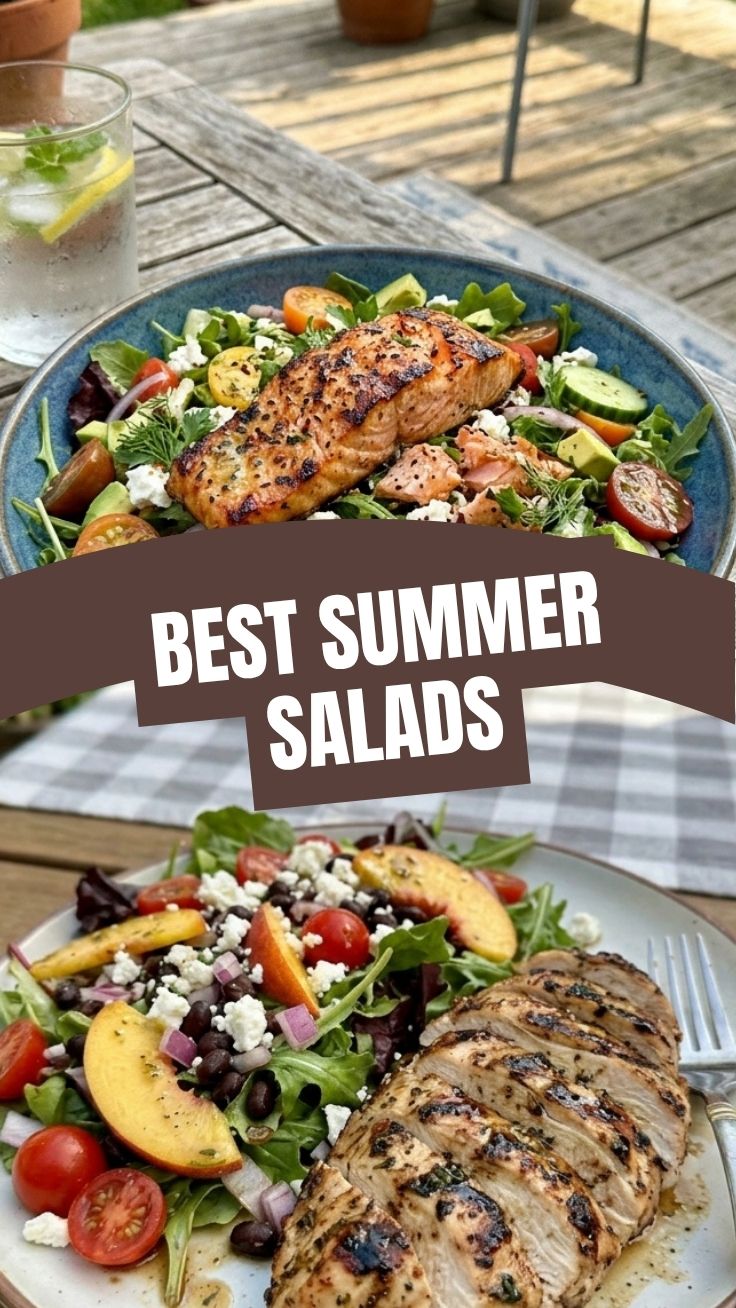
– Prep time: 15 minutes
– Cook time (if using chicken): 12–15 minutes
– Resting time: 5 minutes for chicken before slicing
– Total: About 30 minutes
Why this timing works: Grilling chicken while quinoa cooks in a separate pot maximizes efficiency. If using pre-cooked quinoa (highly recommended for meal prep), you save 15 minutes. The dressing comes together in under 2 minutes. For a no-cook version, use canned chickpeas or pre-cooked lentils instead of chicken—perfect for hot days.
Step-by-Step Instructions
1. Cook the quinoa – Rinse 1 cup quinoa under cold water. Combine with 2 cups water in a saucepan. Bring to a boil, then reduce heat to low, cover, and simmer 15 minutes. Remove from heat, let stand 5 minutes, then fluff with a fork. Season with a pinch of salt.
2. Prepare the protein – Season chicken breasts with salt, pepper, and a drizzle of olive oil. Grill over medium-high heat (or use a grill pan) for 6–7 minutes per side, until internal temperature reaches 165°F. Let rest 5 minutes, then slice against the grain into bite-sized strips.
Tip for plant-based version: If you’re exploring vegan high protein salads, substitute chicken with 1 can (15 oz) chickpeas, drained, patted dry, and sautéed in olive oil with smoked paprika until golden. Both high protein summer salads and their vegan counterparts benefit from this caramelization step.
3. Prepare vegetables – While protein cooks, halve cherry tomatoes, dice cucumber, slice bell pepper and onion. Place in a large bowl.
4. Make the dressing – In a small bowl, whisk together Greek yogurt, lemon juice, olive oil, Dijon mustard, and minced garlic until smooth. Season with salt and pepper. Taste and adjust acidity with extra lemon if needed.
5. Assemble – Add cooked quinoa and sliced chicken (or chickpeas) to the vegetables. Pour dressing over the top and toss gently with clean hands or tongs until everything is evenly coated. Sprinkle fresh basil and serve immediately.
Nutritional Benefits & Advantages
This recipe delivers a nutritional powerhouse. One serving (about 1½ cups) provides roughly:
– 35–40 grams protein – Supports muscle repair, satiety, and metabolic health
– 12 grams fiber – Aids digestion and stabilizes blood sugar
– Healthy fats – From olive oil and yogurt, beneficial for heart and brain function
– Micronutrients – Vitamin C from bell peppers and tomatoes; potassium from cucumber; magnesium from quinoa
The beauty of this dish lies in its balance. Unlike heavy pasta salads or soggy deli options, this version keeps you energized without feeling weighed down. The Greek yogurt dressing provides probiotics for gut health, while quinoa offers all nine essential amino acids—rare for a plant source.
Tips Variations & Cooking Advice
Flavor Twists
– Mediterranean style: Add crumbled feta, Kalamata olives, and dried oregano
– Southwest version: Swap basil for cilantro, add corn kernels, black beans, and a squeeze of lime
– Herb-forward: Use mint + parsley instead of basil; toss in toasted pine nuts
Dietary Adaptations
– Gluten-free: This recipe is naturally GF; ensure any store-bought broths or seasonings are certified
– Dairy-free: Use cashew-based yogurt or a simple vinaigrette (3 parts oil to 1 part vinegar + mustard)
– Low-carb: Replace quinoa with 2 cups finely chopped cauliflower “rice” or extra leafy greens
Cooking Method Alternatives
– No-grill option: Poach chicken in salted water with bay leaf for 12 minutes, or use rotisserie chicken for speed
– Meal prep assembly: Keep dressing separate and toss only what you plan to eat immediately; store components individually for 4 days
Common Mistakes to Avoid
– Overcooking quinoa – Mushy quinoa ruins texture. Cook until the germ ring separates (looks like tiny spirals), then drain immediately if any liquid remains.
– Soggy vegetables – Salt cucumber and tomato in a colander for 10 minutes before adding; excess water will drain away.
– Heavy handed dressing – Start with 3 tablespoons per serving; you can always add more, but you can’t remove it.
– Slicing hot chicken – Always rest protein before cutting to retain juices. Slicing too early results in dry, stringy meat.
– Skipping herb adjustment – Basil should be added last; if stirred too vigorously, it bruises and darkens.
Storage & Meal Prep Tips
– Refrigeration: Store undressed salad in an airtight container for up to 4 days. Dressing keeps separately in a jar for 1 week.
– Freezing: Not recommended for this fresh style; however, cooked quinoa and grilled chicken freeze individually for up to 3 months.
– Reheating: Best eaten cold or at room temperature. If desired, reheat only the protein separately in a skillet for 2 minutes, then add to chilled vegetables.
– Packing for lunch: Layer dressing at the bottom of a jar, then quinoa, chicken, and vegetables on top. Shake when ready to eat—the dressing stays contained until you need it.
Conclusion
Building a summer meal that’s both refreshing and protein-packed doesn’t require complex techniques or expensive ingredients. By focusing on quality components—tender quinoa, perfectly grilled chicken or spiced chickpeas, crisp vegetables, and a tangy yogurt-based dressing—you create a bowl that nourishes deeply. These high protein summer salads prove that healthy eating can be genuinely exciting, while vegan high protein salads demonstrate that plant-based options hold equal appeal. Try this recipe this week, experiment with the variations, and share your results. Your taste buds and your energy levels will thank you.
FAQs
Can I use a different grain instead of quinoa?
Absolutely. Farro, bulgur, or brown rice work well, but adjust cooking times accordingly. Quinoa offers the highest protein per serving among common grains.
How do I prevent my vegan version from tasting dry?
Marinate chickpeas or tofu in olive oil, lemon juice, and herbs for 20 minutes before cooking. The dressing also plays a critical role—ensure it’s creamy enough to coat every ingredient.
My dressing turned out too thick. What can I do?
Thin it with a splash of water or extra lemon juice, whisking until smooth. Greek yogurt varies in thickness, so adjust as needed.
Can I make this salad ahead for a party?
Yes, but keep components separate until serving. Toss everything together no more than 30 minutes before serving to maintain crunch. Set the dressing on the side so guests can add their own.
What if I don’t have fresh basil?
Dried basil (1 tsp) works in a pinch, or substitute with fresh mint, parsley, or dill. Each brings a different character, yet all complement the Mediterranean profile.
Best way to grow high protein summer salads
Ingredients
Equipment
Method
- Choose a sunny spot in your garden or select large pots for container gardening. Ensure the location receives at least 6-8 hours of direct sunlight daily for optimal growth.
- Prepare the soil by mixing equal parts potting mix, compost, and perlite. This blend provides excellent drainage, aeration, and nutrient content for healthy plant development.
- Plant leafy green seeds (spinach, arugula, kale) directly into the prepared soil, spacing them according to package instructions. For protein sources like edamame, lentils, and chickpeas, plant them in designated areas or separate pots, ensuring proper depth and spacing.
- Water the newly planted seeds thoroughly to settle the soil. Maintain consistent moisture, but avoid overwatering to prevent rot.
- Once seedlings emerge, thin them to the recommended spacing to allow for proper air circulation and growth. Fertilize every two to four weeks with a diluted organic liquid fertilizer.
- Protect your plants from pests by regularly inspecting them for signs of infestation. Use organic pest control methods like neem oil or insecticidal soap if necessary, and ensure adequate watering during dry spells.
- Harvest leafy greens regularly by picking the outer leaves, allowing the inner leaves to continue growing. For protein crops, harvest when the pods are plump and the seeds are fully developed.