Sizzle, Sear, and Satisfy: Your Ultimate Guide to High-Protein Grilled Salmon
Have you ever stood by the grill, watching those fillets cook, and wondered why restaurant salmon always tastes better—and why it never seems to stick? The secret isn’t a fancy chef’s knife or a secret marinade; it’s understanding the science behind protein-rich fish and how heat transforms it. Preparing a restaurant-quality fillet at home isn’t just cost-effective; it’s your ticket to a meal that fuels your body and delights your palate. Whether you’re chasing muscle gains or simply want a dinner that leaves you feeling energized, these high protein grilled salmon recipes deliver every time. And because convenience meets nutrition, these healthy grilled salmon meals fit seamlessly into even the busiest weeknight. Ready to master the art? Let’s fire up the grill and get cooking.
Ingredients & Kitchen Tools
For the Salmon & Marinade:
– 4 salmon fillets (6 oz each, skin-on or skinless) – skin helps hold moisture, but skinless works for low-fat preference.
– 3 tbsp extra-virgin olive oil – adds richness and prevents sticking.
– 2 tbsp fresh lemon juice – brightens flavor; substitute lime or orange juice.
– 3 cloves garlic, minced – boost immune system; use ½ tsp garlic powder if fresh is unavailable.
– 1 tbsp Dijon mustard – emulsifies marinade; use whole-grain for extra texture.
– 1 tsp dried dill (or 1 tbsp fresh) – classic herb for salmon; swap with thyme or parsley.
– ½ tsp smoked paprika – adds subtle smokiness without overpowering.
– Salt and black pepper to taste.
Optional Substitutions:
– Soy sauce or tamari for umami (keep low-sodium for healthier option).
– Maple syrup or honey for a touch of sweetness (omit for low-carb).
– Avocado oil instead of olive oil (higher smoke point).
Kitchen Tools:
– Gas or charcoal grill (or grill pan).
– Tongs with silicone tips – gentle on fish.
– Instant-read thermometer – ensure perfect doneness (145°F internal).
– Basting brush – for easy marinade application.
– Aluminum foil (optional) – for delicate fillets or to prevent sticking.
– Fish spatula – thin, slotted for easy flipping.
Prep Time & Cooking Schedule
– Prep Time: 15 minutes (marinating included, but active prep is 5 minutes).
– Marinating Time: 30 minutes–1 hour (refrigerated, no longer to avoid texture breakdown).
– Grill Time: 6–10 minutes total (depending on thickness).
– Resting Time: 3–5 minutes (important for moisture redistribution).
Plan accordingly: If you start marinating at 5:30 PM, you’ll be enjoying perfectly cooked salmon by 6:10 PM. The hands-on time is minimal, making this dish ideal for busy evenings when you want a protein-packed meal without hovering over the stove.
Step-by-Step Instructions
1. Prepare the Marinade: In a small bowl, whisk together olive oil, lemon juice, minced garlic, Dijon mustard, dill, smoked paprika, salt, and pepper. Reserve 2 tablespoons for basting during grilling.
2. Marinate the Salmon: Place fillets in a shallow dish or zip-top bag. Pour remaining marinade over fish, turning to coat. Cover and refrigerate for 30–60 minutes. Don’t exceed 1 hour—the acid will begin to “cook” the salmon, resulting in a mealy texture.
3. Preheat the Grill: Clean your grill grates and oil them well. Heat to medium-high (about 400–450°F). For a charcoal grill, let coals become covered with white ash.
4. Grill Skin-Side Down First: Place fillets skin-side down (if using skin) on the grill. Close the lid and cook undisturbed for 4–5 minutes. The skin will naturally release when it’s properly seared; if it sticks, wait another minute.
5. Flip Carefully: Using a fish spatula, gently flip each fillet. Brush with reserved marinade. Cook for another 2–3 minutes for medium (translucent center), or 3–4 minutes for well-done. For perfect doneness, insert thermometer at thickest part—145°F is safe, but many prefer 125–130°F for moist, flaky results.
6. Rest and Serve: Transfer to a plate, tent loosely with foil, and let rest 3 minutes. Serve with lemon wedges and fresh herbs.
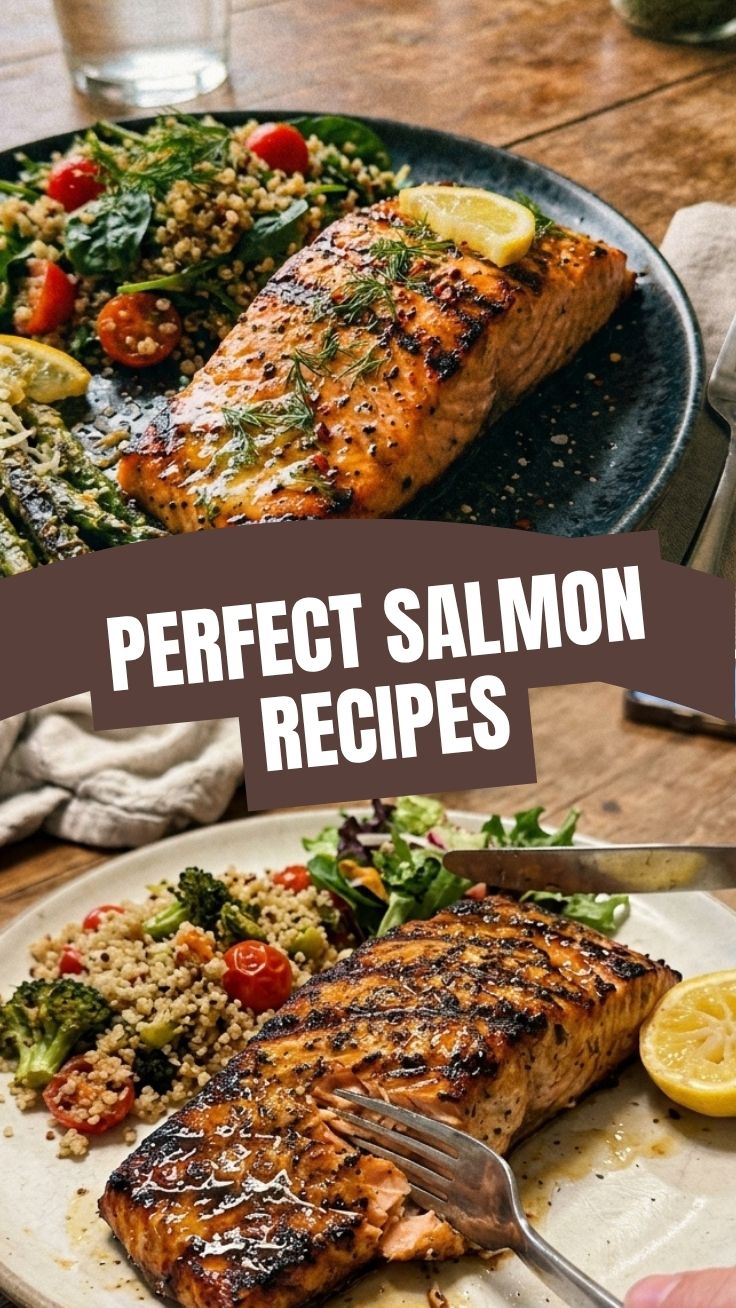
These high protein grilled salmon recipes become even more satisfying when you pair them with roasted vegetables or a quinoa salad. For those seeking healthy grilled salmon meals, skip the heavy cream sauces and instead finish with a squeeze of citrus or a dollop of herbed yogurt.
Nutritional Benefits & Advantages
One 6-ounce serving of wild-caught grilled salmon packs about 34 grams of protein, 18 grams of healthy fat (mostly omega-3 fatty acids), and zero carbohydrates. This macronutrient profile supports muscle repair, reduces inflammation, and promotes heart health. The selenium content boosts thyroid function, while B vitamins aid energy metabolism. Grilling, unlike frying, adds no extra fat, making this dish naturally aligned with low-carb, keto, Mediterranean, and anti-inflammatory diets. Plus, the high protein content keeps you satiated for hours—ideal for those managing weight or increasing lean muscle mass. Even better: salmon’s astaxanthin antioxidant gives it that vibrant pink hue and fights oxidative stress.
Tips Variations & Cooking Advice
– Flavor Twists: Replace dill with cilantro and lime for a Mexican-inspired version; add cumin and chili powder. For Asian flair, use ginger, soy sauce, and sesame oil.
– Alternative Cooking: No grill? Use a cast-iron skillet over medium-high heat, cooking 4 minutes per side. An air fryer works too—400°F for 8–10 minutes.
– Portion Adjustments: For thinner fillets (1 inch), reduce grill time by 1 minute per side. For thicker cuts (1.5 inches), add 1–2 minutes.
– Dietary Adaptations: To keep gluten-free, ensure your mustard and any added sauces are certified. For dairy-free, skip butter-based bastes.
– Make it Spicy: Add red pepper flakes or a pinch of cayenne to the marinade.
– Herb Butter Alternative: If you want extra richness without heavy cream, mix softened butter (or vegan butter) with minced chives and garlic, then dollop on hot salmon right before serving.
Common Mistakes to Avoid
– Skipping the Oiled Grate: Salmon is delicate. Without a well-oiled grill, it will stick and fall apart. Solution: Before preheating, dip a folded paper towel in oil and use tongs to rub it across the grates.
– Over-Marinating: Lemon juice and vinegar can denature the protein and turn the fish mushy if left longer than 1 hour. Stick to 30 minutes for maximum flavor without texture loss.
– Flipping Too Early: A common panic move. The salmon tells you when it’s ready—if it resists flipping, leave it another 30 seconds. Use a thin spatula and lift gently.
– Cooking Straight from the Fridge: Cold fillets cook unevenly. Let them sit at room temperature for 10 minutes before grilling.
– Forgetting the Rest: Cutting into salmon immediately after grilling squeezes out juices. Always rest 3–5 minutes; the carryover cooking also finishes the center.
Storage & Meal Prep Tips
– Refrigeration: Store leftover cooked salmon in an airtight container for up to 3 days. Remove skin before storing to avoid sogginess.
– Freezing: Wrap individual fillets tightly in plastic wrap, then foil, and freeze for up to 3 months. Thaw overnight in the fridge.
– Reheating: The microwave will dry it out. Instead, reheat in a 300°F oven for 5–7 minutes, or flake cold salmon over salads and grain bowls. For a quick refresh, pan-sear with a splash of water and cover for 1–2 minutes.
– Meal Prep: Grill 4–6 fillets at once. Store separately for easy lunches: pair with steamed broccoli and quinoa, or add to wraps with greens and avocado.
Conclusion
Grilling salmon at home transforms a simple fillet into a centerpiece that’s both nourishing and impressive. The magic lies in minimal, high-quality ingredients and respecting the cooking process. Whether you follow the classic lemon-dill approach or branch out into spice blends, the result remains the same: a juicy, flaky protein powerhouse that supports your health goals. Remember, these high protein grilled salmon recipes are more than meals—they’re a foundation for a balanced lifestyle. And because they easily adapt to your tastes, they become your personal healthy grilled salmon meals that you’ll crave on repeat. So light that grill, season generously, and enjoy every flaky bite. Share your creations with a photo—your future self (and your taste buds) will thank you.
FAQs
1. Can I use frozen salmon for grilling?
Absolutely. Thaw it completely in the refrigerator overnight, then pat dry thoroughly with paper towels. Moisture on the surface can cause steaming instead of searing.
2. How do I know when the salmon is done without a thermometer?
Look for the flesh to turn opaque and flake easily with a fork at the thickest part. If it’s still translucent in the center, it needs more time. The skin should be crispy and release effortlessly.
3. What can I substitute for Dijon mustard in the marinade?
Use whole-grain mustard, a dollop of plain yogurt, or even a teaspoon of miso paste. Each will bring a different but complementary flavor profile.
4. My salmon always sticks to the grill—what am I doing wrong?
Most likely the grill isn’t hot enough, or you’re moving it too soon. Oil the grates after preheating, and let the fish cook undisturbed until it naturally releases. Using skin-on fillets also helps protect the flesh.
5. Can I prep the marinade a day ahead?
Yes, whisk the oil, lemon juice, garlic, and seasonings, then store covered in the fridge. Add fresh herbs just before marinating to preserve their volatile oils. Do not combine with salmon until ready to marinate.
How to grow 5 high protein grilled salmon recipes
Ingredients
Equipment
Method
- Preheat your grill to medium-high heat. Lightly oil the grill grates to prevent sticking.
- Pat the salmon fillets dry with a paper towel and brush them with olive oil, then season with salt and pepper.
- Place the seasoned salmon, skin-side up or down depending on your preference, on the preheated grill.
- Grill for 4-6 minutes per side, or until the salmon is cooked through and flakes easily with a fork.
- Carefully remove the salmon from the grill and let it rest for a few minutes before serving.
- For Lemon Herb Salmon: Combine lemon juice, dill, and minced garlic; brush over salmon before grilling.
- For Spicy Honey Garlic Salmon: Whisk together honey, soy sauce, sriracha, and minced garlic; glaze salmon during the last few minutes of grilling.
- For Mediterranean Salmon: Top grilled salmon with halved cherry tomatoes, sliced Kalamata olives, crumbled feta cheese, and dried oregano after grilling.
- For Teriyaki Glazed Salmon: Brush salmon with teriyaki sauce, grated ginger, and sesame oil during the last few minutes of grilling.
- For Blackened Salmon: Mix smoked paprika, garlic powder, onion powder, cayenne pepper, dried thyme, and dried oregano; rub generously on salmon before grilling.